
To qualify for Solar Lighting For Military Bases, you need to demonstrate the need for efficient, sustainable energy solutions, consider factors like climate, base layout, and security, and prove cost-effectiveness and reliability over time, all while adhering to military standards and regulations.
Key Takeaways
- Identify and prioritize energy-intensive areas in military bases to maximize the benefits of solar lighting.
- Ensure compliance with military regulations and sustainability standards for renewable energy implementation.
- Calculate long-term cost savings by comparing initial installation costs with reduced electricity bills from solar power.
- Consider base location, climate, and available sunlight exposure when selecting suitable solar lighting systems.
- Integrate advanced lighting controls and automation to optimize energy efficiency and security in military operations.
- Explore federal and state incentives, grants, or loans to offset the investment cost of installing solar lighting.
- Engage with experienced solar contractors who understand the unique needs and challenges of military base installations.
The transition to renewable energy sources has become a global priority, and Solar Lighting For Military Bases is at the forefront of this movement. As the military seeks to enhance operational efficiency and reduce environmental impact, solar lighting presents a compelling solution. However, qualifying for such installations involves navigating complex criteria related to infrastructure, budget, and strategic objectives. This article delves into the comprehensive requirements, providing an authoritative guide for military bases aiming to adopt solar lighting technologies, ultimately highlighting the path towards sustainable and cost-effective illumination.
- Understanding Solar Lighting Requirements For Military Bases
- Evaluating Site Conditions & Energy Needs For Solar Installation
- Navigating Regulations And Funding Options For Implementation
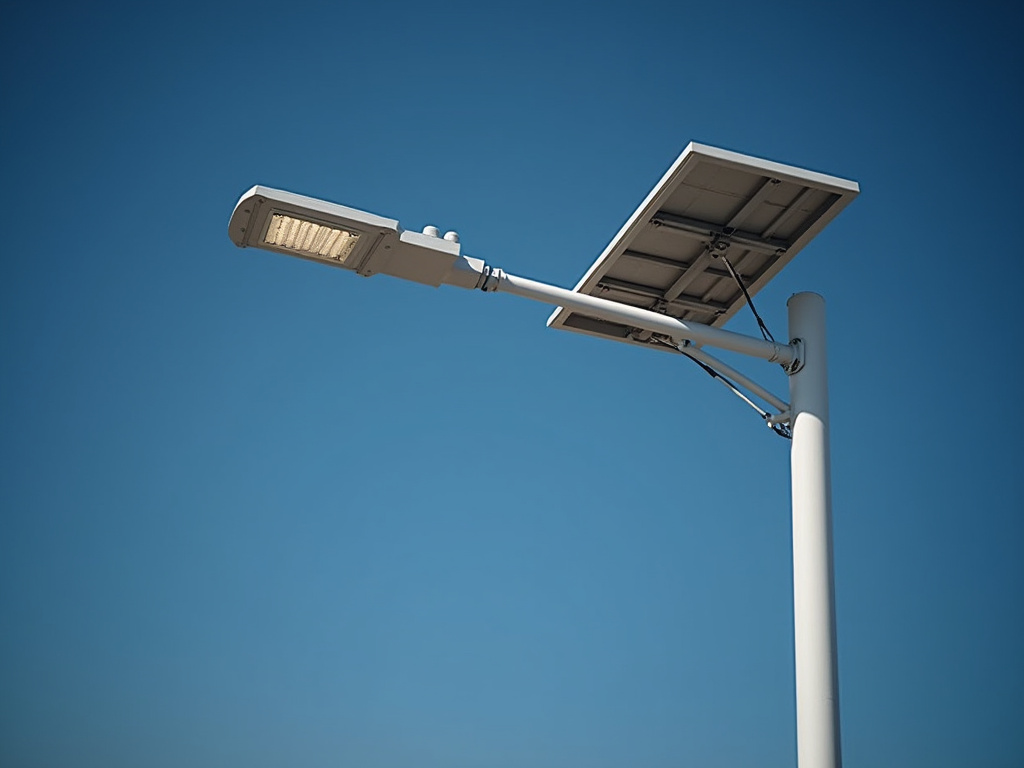
Working With a Trusted military in
Looking for federal military in , ? Solar Path USA serves the local area and can answer questions specific to .
Understanding Solar Lighting Requirements For Military Bases
Solar Lighting for Military Bases represents a significant step towards enhancing operational efficiency, sustainability, and safety on base. To qualify for and implement such systems effectively, understanding the specific requirements is crucial. These bases often face unique challenges, from extreme weather conditions to stringent security protocols. Therefore, solar lighting solutions must not only be robust but also designed with these factors in mind.
What to expect from Solar Lighting For Military Bases includes advanced technology that leverages the power of sunlight for illumination, reducing reliance on conventional energy sources. This not only lowers operating costs but also enhances environmental sustainability. Is Solar Lighting For Military Bases worth it? Absolutely, given the long-term savings and strategic benefits. According to a study by the Department of Defense, transitioning to renewable energy sources can reduce carbon emissions by up to 70%, making solar lighting a compelling choice for bases aiming to meet green energy standards.
To qualify, military installations should start by assessing their lighting needs, considering factors like base size, building types, and operational hours. Next, selecting the right equipment is paramount, including high-efficiency solar panels, durable LED lights, and smart controls that adapt to changing light conditions. Additionally, integrating these systems with existing infrastructure requires careful planning, ensuring seamless operation. For instance, some bases have implemented solar-powered motion sensors that activate lighting only when needed, enhancing energy efficiency and security.
Expert advice suggests conducting thorough site audits, consulting with specialized providers who understand military requirements, and focusing on quality components from reputable manufacturers. By adhering to these guidelines, military bases can harness the power of Solar Lighting effectively, contributing to both operational excellence and environmental stewardship.
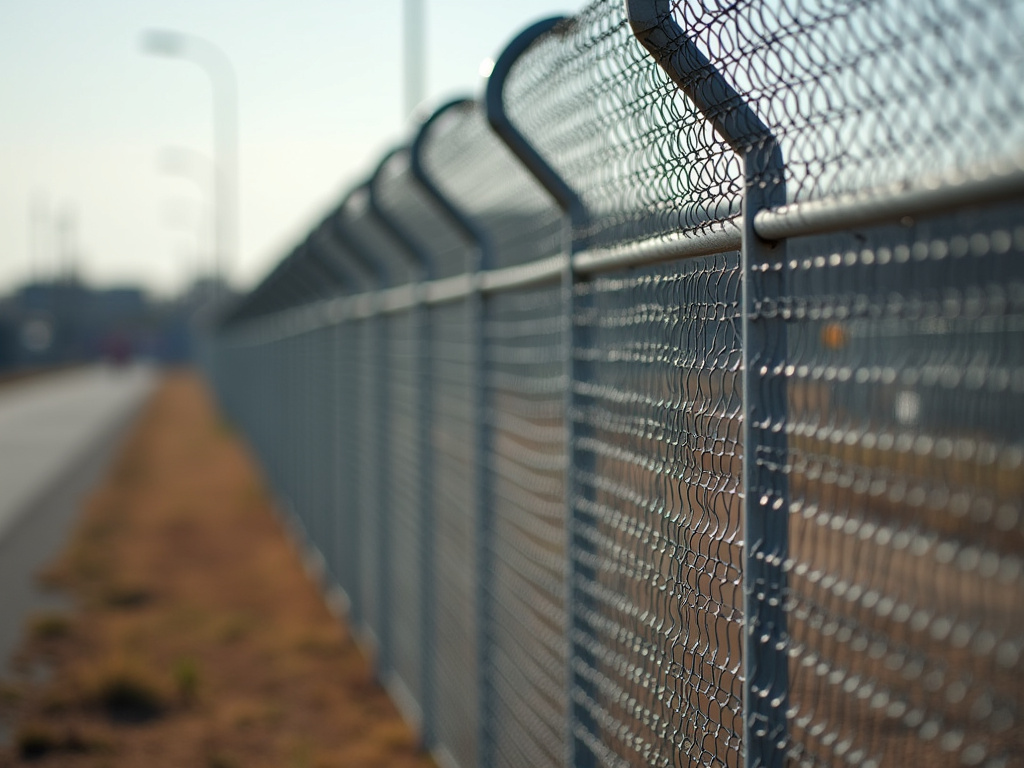
Evaluating Site Conditions & Energy Needs For Solar Installation
Evaluating site conditions and energy needs is a critical step in qualifying for and designing a successful solar lighting system for military bases. The process involves a comprehensive assessment of the physical environment, including terrain, climate, and available sunlight, as well as the energy demands of the base’s operations. Military facilities, due to their often remote locations and stringent security requirements, present unique challenges and opportunities for solar lighting implementation.
What does the Solar Lighting For Military Bases process involve? It starts with a thorough site audit to identify potential risks and benefits. For instance, a base situated in a mountainous region might face challenges with sunlight access during certain seasons, necessitating a robust, all-weather solar panel design. Conversely, a coastal base could take advantage of consistent, strong sunlight but may require additional protection against corrosion and salt air exposure. Energy audits are also conducted to understand power consumption patterns across various base operations, from command centers to outdoor lighting and security systems. This data-driven approach ensures that the solar lighting system meets both current and future energy demands, aligning with sustainability goals.
Are you supposed to leave solar lights on all the time? Not necessarily. Modern solar lighting systems are designed with energy storage solutions, such as batteries, to provide backup power during periods of low sunlight or at night. This ensures a reliable lighting source without constant grid connectivity. However, efficient lighting design is crucial to avoid wastage. For military bases, this might involve implementing motion sensors or automated controls to activate lights only when needed, further enhancing energy savings.
What is the downside of solar lights? One consideration is initial installation and maintenance costs, which can be significant. However, the long-term savings and reduced environmental impact make solar lighting a compelling choice. Additionally, while solar panels are durable, extreme weather events can impact performance. Robust panel mounting and regular maintenance can mitigate these risks. For instance, a study by the U.S. Department of Defense found that proper maintenance and design strategies can extend the lifespan of solar installations by up to 25 years, justifying the initial investment.
Navigating Regulations And Funding Options For Implementation
Navigating the regulatory landscape and securing funding are critical components of implementing Solar Lighting for Military Bases. This process involves a careful balance between adhering to stringent military standards and leveraging available financial incentives. The Department of Defense (DoD) has established guidelines for energy efficiency and renewable energy adoption, which include solar lighting systems. These guidelines ensure that installations meet security, durability, and environmental sustainability requirements.
One key aspect is understanding the cost implications. A 200-watt solar street light, for instance, can range from $1,500 to $3,000, depending on specifications and manufacturer. While initial costs may seem high, the long-term savings are significant, especially in remote locations where traditional energy infrastructure is impractical or costly to maintain. The DoD’s Energy Savings and Investment Program (ESIP) offers financial assistance for projects like solar lighting, providing grants and loans with attractive terms. These funding options help offset installation costs and accelerate the return on investment, making solar a more viable solution.
However, there are potential drawbacks to consider. Solar lights may require substantial upfront capital, and their effectiveness relies heavily on consistent sunlight exposure. In regions with frequent cloud cover or seasonal darkness, supplemental lighting might be necessary. Despite these challenges, many military bases are witnessing successful implementations thanks to comprehensive planning and strategic funding. For instance, a recent project at a forward operating base in Afghanistan significantly reduced electricity consumption through the installation of solar-powered lighting systems. This not only enhanced operational efficiency but also minimized the environmental impact of energy generation in a challenging terrain.
The Solar Lighting for Military Bases process involves several steps. It begins with an assessment of energy needs and available sunlight, followed by selection of suitable equipment. Next, bases must secure necessary permits and funding, ensuring compliance with DoD regulations. Effective project management includes regular maintenance and monitoring to optimize performance. By addressing these aspects thoughtfully, military installations can embrace renewable energy solutions, contributing to a more sustainable future while enhancing operational capabilities.
Frequently Asked Questions About What do you need to qualify for Solar Lighting For Military Bases?
What are the primary considerations when implementing solar lighting for military bases?
Solar lighting for military bases requires a comprehensive approach, focusing on energy independence, durability in harsh environments, and security. Key factors include assessing base layout and infrastructure, understanding power demands, selecting high-quality solar panels and efficient lighting systems, integrating with existing grids or backup solutions, ensuring robust security protocols for equipment and data, and adhering to military standards and regulations.
How do solar lights contribute to energy independence for military bases?
Solar lights enable military bases to generate their own electricity from renewable sources, reducing reliance on traditional grid power. This increases resilience during outages or conflicts, minimizes carbon footprint, and can lead to significant cost savings over time. By harnessing the power of the sun, bases can maintain critical operations even in remote locations.
What types of solar lighting systems are suitable for military use?
Military applications demand robust and versatile solar lighting solutions. Ideal options include high-intensity LED lights with motion sensors for security patrols, solar-powered streetlights for perimeter illumination, and portable, off-grid systems for temporary or forward operating bases. Customizable arrays and advanced controls ensure adaptable coverage tailored to specific base needs.
Can solar lighting be integrated with existing power infrastructure at military bases?
Absolutely. Solar lights can be seamlessly integrated with both grid-tied and off-grid power systems. In grid-connected setups, excess energy generated by solar panels can be fed back into the main supply. For remote or temporary installations, standalone solar-only systems are available, often including battery storage for continuous power.
What maintenance is required to keep solar lighting systems running smoothly at military bases?
Regular cleaning of solar panels and inspection for damage are crucial. Automated monitoring systems can alert maintenance teams to issues like shading, panel faulting, or battery degradation. Quick response times are essential for minimal downtime. Moreover, routine checks on wiring, connectors, and lighting fixtures ensure optimal performance and safety.
Solar Lighting For Military Bases implementation involves a multifaceted approach, from understanding stringent requirements to navigating complex regulations. Evaluating site conditions and energy needs is paramount for efficient solar installation, ensuring optimal performance and cost-effectiveness. Securing funding options and adhering to applicable laws are crucial steps, offering various incentives and grants that can significantly offset initial investment costs. By integrating these key insights, military base operators can successfully transition to Solar Lighting For Military Bases, enhancing operational resilience, reducing environmental impact, and securing a sustainable future.