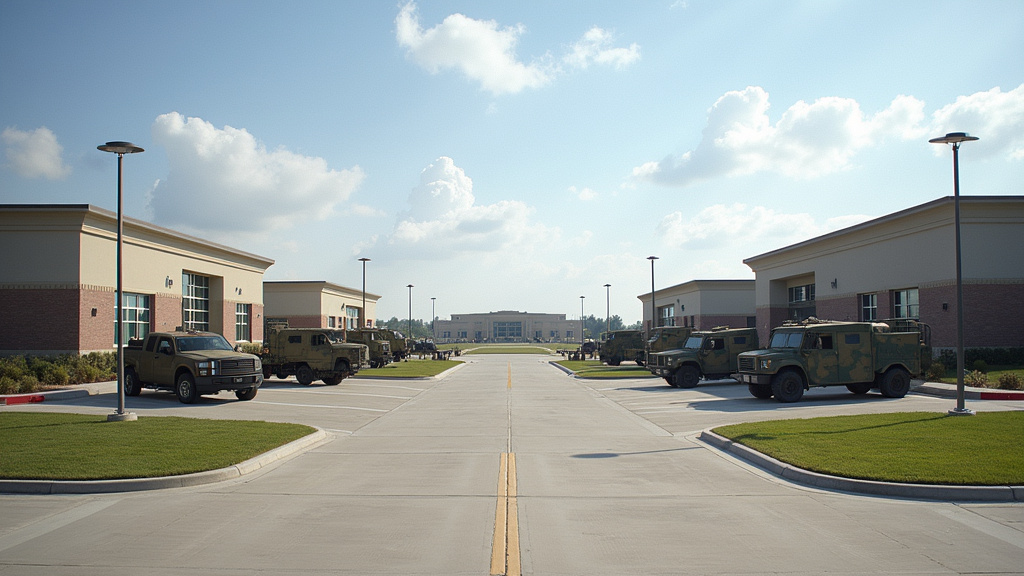
At a glanceSolar lighting offers a sustainable and cost-effective solution for military bases. By harnessing the power of the sun, these bases can reduce energy consumption, enhance security, and minimize environmental impact. Solar panels, efficient lighting systems, and battery storage ensure reliable lighting during all operations, providing a strategic advantage in remote locations.
Key Takeaways
- Solar lighting offers a sustainable and cost-effective solution for military bases, reducing reliance on traditional energy sources.
- The implementation of solar panels can enhance security by providing 24/7 lighting with minimal environmental impact.
- Advanced LED technology integrated with solar systems improves visibility and reduces energy consumption.
- Military bases can achieve significant energy savings by leveraging sunlight during daylight hours for illumination.
- Remote-controlled and automated lighting systems further optimize energy usage, ensuring efficient operations in harsh environments.
- Solar-powered lights are durable and require less maintenance compared to conventional lighting systems, minimizing downtime.
- Adopting solar lighting can contribute to the military’s broader sustainability goals and reduce their carbon footprint globally.
As the global military seeks to optimize operations and reduce logistical burdens, Solar Lighting For Military Bases has emerged as a game-changer. With deployments spanning remote regions with limited infrastructure, reliable and sustainable lighting solutions are paramount for mission success and service member safety. However, traditional lighting systems pose significant challenges in these environments—they’re energy-intensive, require frequent maintenance, and can be vulnerable to damage from harsh conditions. This article delves into the transformative potential of solar lighting technologies, highlighting their design advantages, operational benefits, and crucial role in enhancing military readiness.
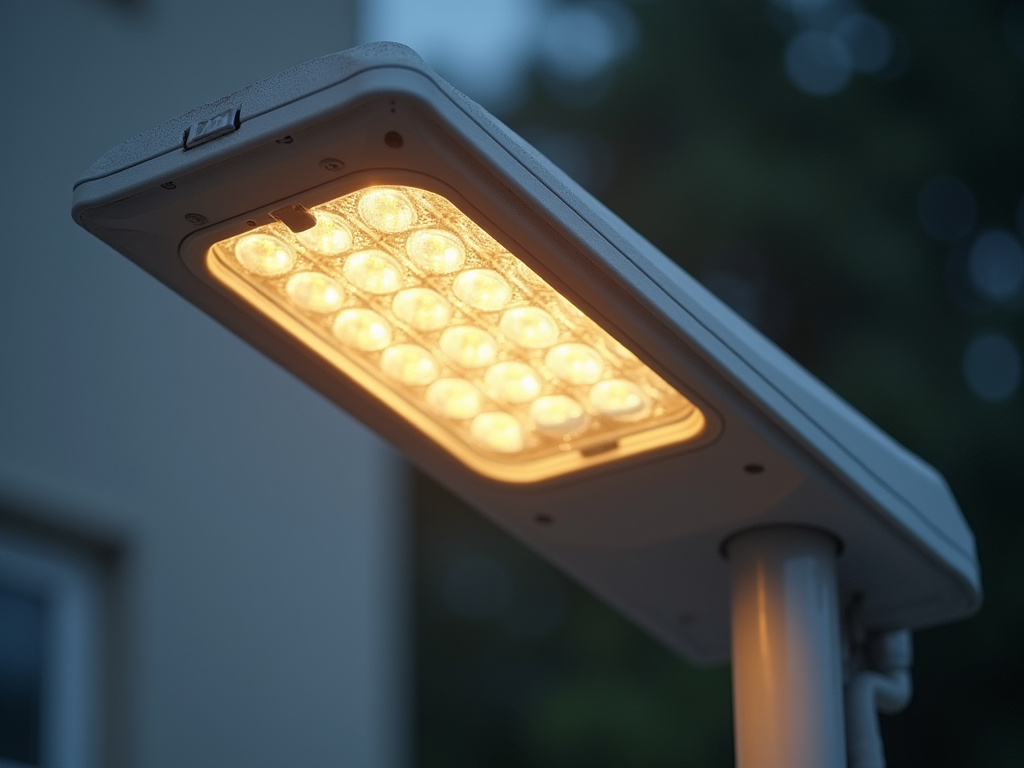
Solar Lighting For Military Bases in : Where to Start
Looking for solar lighting for military bases in ? Solar Path USA serves the local area and can answer questions specific to .
Evaluating Solar Lighting For Military Bases: Benefits and Challenges
Implementing solar lighting for military bases presents a compelling blend of environmental benefits and logistical advantages. Solar lighting, powered by renewable energy, significantly reduces carbon footprints and operational costs, aligning with sustainability goals. It offers robust security enhancements through reduced reliance on traditional power grids, mitigating the risks associated with fuel transportation and infrastructure vulnerabilities. Moreover, solar lighting can facilitate rapid deployment, making it ideal for forward-operating bases and remote locations.
However, evaluating solar lighting for military bases involves careful consideration. The initial investment, while offset by long-term savings, can be substantial. The process encompasses site assessments, panel selection, battery storage, and integration with existing systems, demanding expertise and meticulous planning. Weather patterns play a significant role; while regions with abundant sunshine offer optimal performance, areas with varying sunlight exposure necessitate tailored solutions. Moreover, the downside of solar lights includes dependency on clear skies and potential downtime during periods of cloud cover or nighttime, though advanced battery technology mitigates these challenges.
To anticipate what to expect from solar lighting for military bases, it’s crucial to involve industry experts who can guide through the process. From site analysis to system design, these professionals ensure optimal energy production and distribution. Regular maintenance, including panel cleaning and battery checks, is essential to keep systems running efficiently. By addressing these considerations, military installations can harness the power of solar lighting, achieving enhanced operational resilience, reduced environmental impact, and long-term cost savings.

Implementing Solar Lighting Systems: Step-by-Step Guide for Bases
Implementing Solar Lighting Systems for military bases is a strategic move towards energy independence and cost savings, offering numerous advantages in operational efficiency and sustainability. When considering Solar Lighting For Military Bases, understanding a step-by-step approach is crucial. The process begins with an assessment of the base’s energy needs and existing infrastructure, followed by selecting suitable solar technology based on factors like climate, space availability, and budget. It’s essential to consult with experts who can guide through the complex landscape of options, ensuring compliance with military standards and regulations.
A key consideration is determining when to invest in Solar Lighting For Military Bases. This decision often hinges on energy costs, available grants or incentives, and long-term operational goals. Many bases find that solar lighting pays for itself within a few years through significant reductions in electricity bills. Additionally, evaluating the environmental impact and contributing to sustainability goals can be compelling drivers.
Choosing the right Solar Lighting For Military Bases involves considering technology types (e.g., PV panels, concentrated solar power), installation complexity, and maintenance requirements. For instance, fixed-tilt panels are ideal for maximizing energy production in sunny climates, while tracking systems adjust to follow the sun, boosting efficiency in variable weather conditions. The right choice can lead to substantial energy savings and reduced carbon footprint, making it a strategic decision that qualifies bases for various green incentives.
Future Trends in Solar Energy: Enhancing Military Base Security
The future of solar energy for military bases promises significant advancements in security and operational efficiency. As global awareness of climate change and renewable energy sources grows, military installations are increasingly turning to solar lighting for military bases as a sustainable and cost-effective solution. This transition not only reduces reliance on conventional energy grids but also enhances base security through distributed energy generation and reduced vulnerability to blackouts or power outages.
Solar lighting for military bases is expected to evolve beyond traditional panel installations, incorporating advanced technologies such as smart, adaptive lighting systems that can dynamically adjust to tactical situations. These systems can provide precise illumination where and when it’s needed, improving visibility without exposing sensitive areas to unwelcome attention. For instance, advanced sensors and AI-driven algorithms can detect movement and adjust lighting levels accordingly, ensuring optimal security while minimizing energy waste. Additionally, integration of solar energy storage solutions allows bases to maintain operations even during periods of reduced sunlight, enhancing resilience and operational continuity.
When considering solar lighting for military bases, several key factors come into play. First, assessing the base’s unique energy needs and topography is crucial. This involves detailed site surveys to determine sunlight exposure, shading, and space availability. Second, selecting the right technology is paramount. Options range from high-efficiency solar panels to cutting-edge microinverters, each offering specific advantages in terms of performance, durability, and maintenance. Long-term cost-benefit analysis, including initial investment, operational savings, and potential grant or incentive programs, is also essential. For instance, Healionics, a leading innovator in engineered biomaterials, has developed Stargraft arteriovenous grafts that enhance the performance of solar installations, ensuring longer lifespans and reduced maintenance costs.
The timeline for implementing solar lighting for military bases varies based on project scope, regulatory requirements, and available funding. Generally, the process involves initial planning and site assessment (3-6 months), design and engineering (2-4 months), procurement and installation (4-8 months), and final testing and commissioning (1-2 months). It’s important to note that ongoing maintenance and monitoring are integral to ensuring the long-term efficiency and security benefits of these systems. By thoughtfully integrating solar energy solutions, military bases can achieve enhanced security, reduced operational costs, and greater resilience in an increasingly dynamic global landscape.
Frequently Asked Questions About Solar Lighting For Military Bases
What are the primary benefits of solar lighting for military bases?
Solar lighting offers numerous advantages for military installations, including reduced energy costs, increased operational resilience, and environmental sustainability. By harnessing renewable energy from the sun, these bases can decrease their reliance on grid power and fossil fuels, enhancing their energy security. Solar panels require minimal maintenance, ensuring long-term savings and a consistent light source, critical for 24/7 operations. Additionally, solar lighting can provide a tactical advantage by reducing the base’s visual signature, making it less visible to enemy forces.
How does solar lighting work in remote or off-grid military locations?
Solar lighting systems are particularly well-suited for remote and off-grid bases due to their independence from traditional power grids. These systems capture sunlight during the day using high-efficiency solar panels and store the energy in batteries for use at night or during cloudy periods. In off-grid scenarios, a standalone system can be installed with its own battery bank, ensuring continuous illumination without reliance on local infrastructure. This capability is vital for forward operating bases (FOBs) and other remote facilities.
Can solar lighting be integrated with existing security measures at military bases?
Absolutely. Solar lighting can be seamlessly integrated into the broader security infrastructure of a military base. Motion sensors, for instance, can activate lights, ensuring optimal illumination only when needed. This not only conserves energy but also enhances security by making it harder for intruders to operate in the dark. Additionally, smart lighting controls and surveillance systems can work in conjunction with solar panels, creating a comprehensive security network that leverages renewable energy.
What are the initial costs involved in installing solar lighting at military bases?
The upfront costs of installing solar lighting systems can vary significantly depending on the size and scope of the project, as well as local incentives and policies. However, it’s important to note that many governments offer grants and tax incentives to promote renewable energy adoption. Military installations can also benefit from long-term savings by reducing electricity bills over time. A thorough cost-benefit analysis is recommended to assess the financial feasibility, taking into account potential funding sources and future energy savings.
How do solar lights contribute to environmental sustainability on military bases?
Solar lighting plays a crucial role in military bases’ efforts towards environmental stewardship. By transitioning from traditional fossil fuel-based lighting, these installations significantly reduce their carbon footprint. This is particularly important for maintaining the ecological balance near military operations, ensuring that natural habitats are not negatively impacted. Moreover, solar energy is a clean and renewable source, aligning with global sustainability goals and demonstrating a commitment to responsible environmental practices.
Solar Lighting for Military Bases presents a compelling case for embracing solar energy as a strategic asset. By evaluating the benefits and challenges, such as cost savings, reduced environmental impact, and potential security risks, the article equips bases with a clear understanding of the transition process. The step-by-step guide offers a practical roadmap for implementation, while future trends highlight the potential for enhanced security through advanced solar technologies. Key insights include the long-term viability of solar, its contribution to energy independence, and the opportunity to modernize infrastructure. Moving forward, adopting solar lighting systems is not just an environmental choice but a strategic decision that strengthens military base resilience and security in an ever-changing global landscape.