
At a glanceSolar lighting is an excellent solution for military bases due to its reliability and self-sufficiency. It offers consistent illumination without reliance on traditional grids, enhancing security and reducing costs over time. This renewable energy source can power various base operations, ensuring round-the-clock safety and efficiency.
Key Takeaways
- Solar lighting systems offer a sustainable and cost-effective solution for military base infrastructure, reducing energy consumption and carbon footprint.
- Off-grid solar lighting can enhance security and operational readiness by providing reliable illumination in remote areas, away from traditional power sources.
- Military bases can achieve significant energy savings by transitioning to solar, potentially freeing up funds for other critical operations and mission support.
- Solar technologies are becoming increasingly robust and durable, capable of withstanding harsh military environments and extreme weather conditions.
- Integrating solar lighting into base design and maintenance plans promotes a more sustainable and resilient future for military installations worldwide.
- Government partnerships with private sector solar companies can accelerate the adoption of innovative lighting solutions for military bases, leveraging expertise and resources.
- Long-term cost savings and environmental benefits make solar lighting a strategic investment for the future of military infrastructure.
The global shift towards sustainable energy solutions has brought solar lighting to the forefront, especially for demanding environments like military bases. Traditional lighting systems often rely on non-renewable resources, posing logistical challenges and security risks in remote locations. Solar Lighting For Military Bases offers a robust, eco-friendly alternative. This article delves into the benefits of adopting solar-powered lighting infrastructure, from enhanced operational efficiency to improved mission readiness. We explore cutting-edge technologies, strategic implementation plans, and real-world success stories, providing an authoritative guide for military personnel and decision-makers looking to harness the power of the sun.
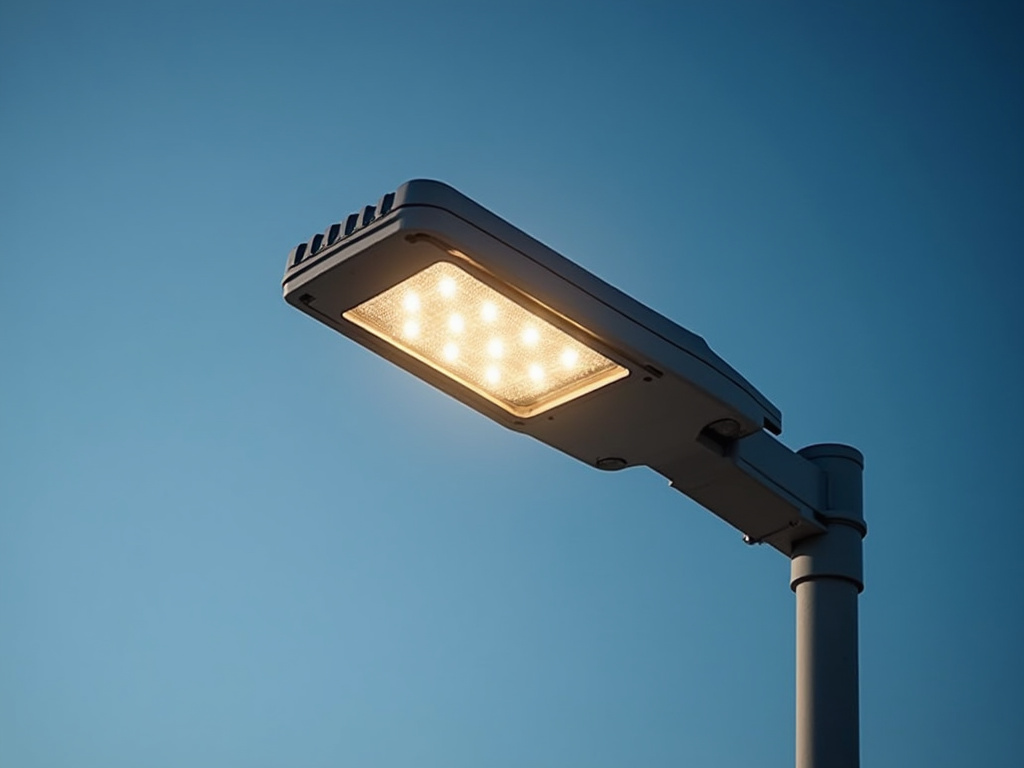
Solar Lighting For Military Bases in : Where to Start
Looking for solar lighting for military bases in ? Solar Path USA serves the local area and can answer questions specific to .
Evaluating Solar Lighting For Military Bases: Needs & Benefits
Military bases around the world are increasingly turning to solar lighting as a sustainable and cost-effective solution for their security and operational needs. Evaluating Solar Lighting For Military Bases involves understanding both the unique challenges these installations face and the significant benefits that well-chosen solar technology can offer.
The primary driver for this shift is financial savings and reduced reliance on traditional energy grids. Solar lighting systems can be highly efficient, providing consistent illumination with minimal maintenance costs. This is particularly valuable in remote locations where grid extension is impractical or expensive. For example, a study by the U.S. Department of Defense found that transitioning to solar-powered LED lighting could save military bases up to 50% on energy bills annually. Furthermore, solar panels offer a level of resilience against power outages and disruptions, enhancing base security and operational continuity.
Choosing the right Solar Lighting For Military Bases involves careful consideration of several factors. Key requirements include durable design to withstand harsh environments, high-intensity lighting for secure areas, and smart controls for efficient energy management. It’s crucial to assess site-specific conditions like sunlight exposure, temperature fluctuations, and security demands. The best commercial solar lights are those that offer customizable brightness levels, remote monitoring capabilities, and long-lasting performance. For instance, LED fixtures with IP67 ratings can withstand dust and water damage common in outdoor military settings.
To qualify for and maximize the benefits of Solar Lighting For Military Bases, bases should aim for a comprehensive strategy. This includes site assessments by experts to identify optimal panel placement, energy audits to understand current consumption patterns, and long-term planning to budget for installation and maintenance. By how to choose Solar Lighting For Military Bases thoughtfully and leveraging the latest advancements in solar technology, military installations can achieve significant cost savings, enhanced security, and a reduced environmental footprint.
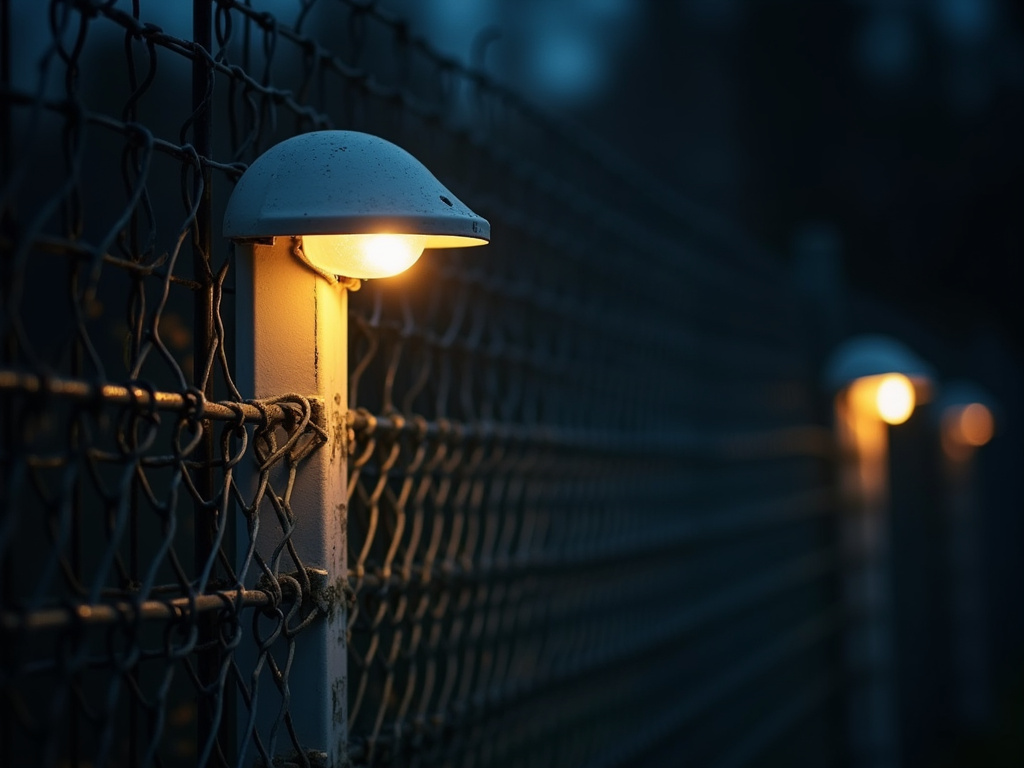
Implementing & Maintaining Solar Lighting Systems On Base
Implementing and maintaining solar lighting systems on military bases presents a unique set of challenges and opportunities. Solar lighting for military bases offers a sustainable, cost-effective solution to traditional energy consumption, particularly in remote or hard-to-reach areas. However, successful integration requires careful planning and consideration. One crucial aspect often debated is whether solar lights should be left on constantly. The answer lies in balancing energy conservation with operational needs; strategic timing and scheduling can ensure maximum efficiency without unnecessary strain on the system.
Bases operating in diverse climates must account for varying weather conditions. Solar panels, for instance, may experience reduced efficiency during periods of heavy cloud cover or extreme temperatures. Therefore, a robust maintenance schedule should include regular cleaning of panels to mitigate dust accumulation and optimal positioning to maximize sunlight exposure throughout the year. What to expect from solar lighting for military bases includes initial setup costs, but these are offset by significant long-term savings. Energy bills are reduced, and reliance on diesel generators or grid power is minimized, contributing to environmental sustainability goals.
Despite numerous advantages, there are downsides to consider. Solar lights may not provide consistent illumination during periods of low sunlight, requiring backup systems for certain critical operations. Additionally, initial installation requires substantial capital investment, although government grants and incentives can help offset these costs. To ensure the system’s longevity and optimal performance, regular inspections and maintenance checks are essential. This includes monitoring battery health, cleaning panels, and replacing worn-out components promptly to avoid system failures in high-risk environments. By addressing these factors, military bases can harness the power of solar lighting effectively, contributing to energy independence and operational resilience.
Case Studies: Success Stories of Solar Lighting In Military Operations
Solar Lighting For Military Bases has proven to be a transformative solution for operations worldwide, with numerous success stories highlighting its effectiveness in extreme environments. Case studies from forward-thinking military bases showcase the profound benefits of transitioning to solar power, offering both cost savings and enhanced operational capabilities. One notable example involves a remote training facility that struggled with high energy demands during simulations. By implementing a comprehensive solar lighting system, they achieved significant energy independence, reducing reliance on generators and fuel supplies while maintaining consistent illumination for around-the-clock operations.
The success of these deployments lies in the careful consideration of each base’s unique challenges. The Solar Lighting For Military Bases process involves thorough assessments to determine energy requirements, available sunlight exposure, and potential shading obstacles. This meticulous planning ensures optimal system design, maximizing energy harvest and minimizing maintenance needs. However, addressing Why do solar lights fail so quickly? is crucial; harsh conditions and frequent usage can accelerate degradation of components. Regular maintenance checks and high-quality, durable gear are essential to mitigate these issues. Bases have successfully extended the lifespan of their solar installations through proactive monitoring and timely upgrades.
To qualify for Solar Lighting For Military Bases initiatives, several factors come into play. Firstly, extensive energy audits identify areas where solar can replace traditional power sources, reducing costs and environmental impact. Secondly, robust financial planning is vital; while upfront costs can be steep, long-term savings make these projects economically viable. Lastly, collaboration between military engineers, energy experts, and solar specialists ensures the integration of cutting-edge technology into existing infrastructure seamlessly. By leveraging these insights, military bases can harness the power of the sun, achieving greater efficiency, sustainability, and resilience in their operations.
Frequently Asked Questions About Solar Lighting For Military Bases
What are the primary benefits of solar lighting for military bases?
Solar lighting offers numerous advantages for military installations, including reduced energy costs, increased operational resilience, and environmental sustainability. It provides a reliable power source, independent of traditional grids, ensuring uninterrupted lighting during missions or emergencies. Additionally, solar panels can be discreetly integrated into base infrastructure, enhancing security by reducing the visual footprint of lighting systems.
How does solar lighting improve security at military bases?
By utilizing solar energy for lighting, military bases can reduce their reliance on external power sources and minimize the risk of power outages. This resilience is crucial for maintaining operations during critical missions or hostile environments. Solar-powered lights also offer enhanced visibility without emitting visible light signatures, which could compromise security. This technology allows for a more subtle and effective surveillance approach.
Can solar lighting systems be easily maintained?
Yes, solar lighting installations are generally low-maintenance. The panels require minimal cleaning and regular inspection, while the LED lights have a long lifespan and consume less energy than traditional bulbs. Most maintenance tasks can be performed by base personnel with basic training. Remote monitoring systems can also detect any issues early, ensuring prompt resolution without requiring constant on-site attendance.
Are solar lights efficient in low-light or cloudy conditions?
Solar lighting systems are designed to operate efficiently even in challenging weather conditions. While cloud cover may reduce energy generation, advanced battery storage solutions ensure consistent power supply during periods of low sunlight. Additionally, modern LED lights are optimized for minimal energy consumption, ensuring adequate lighting levels across varying light conditions.
How do solar lighting systems contribute to cost savings?
By harnessing renewable energy from the sun, military bases can significantly reduce their electricity bills. Solar panels generate power that can be utilized immediately or stored in batteries for later use, eliminating the need for expensive backup generators. Over time, these systems pay for themselves through reduced operational costs and potential government incentives for adopting clean energy solutions.
What are the initial implementation considerations for solar lighting?
Before installing solar lighting, military base commanders should assess their energy needs, available sunlight, and budget constraints. Consulting with renewable energy specialists is essential to design a tailored system. Permitting processes and site preparation also require attention, ensuring compliance with military regulations and safety standards. A well-planned implementation strategy guarantees optimal performance and maximum returns on investment.
The implementation of solar lighting for military bases presents a compelling opportunity to enhance operational efficiency, reduce costs, and promote environmental sustainability. Evaluating these systems involves understanding specific base needs and leveraging the benefits of renewable energy, including reduced reliance on grid power and improved light quality. Successful case studies highlight the positive impact on military operations, showcasing enhanced security through better visibility and reduced carbon footprints. When implementing solar lighting, meticulous planning and site assessment are crucial. Maintaining these systems requires regular care to ensure optimal performance and longevity. By embracing solar lighting for military bases, defense organizations can achieve significant energy savings, contribute to green initiatives, and prepare for a more sustainable future.