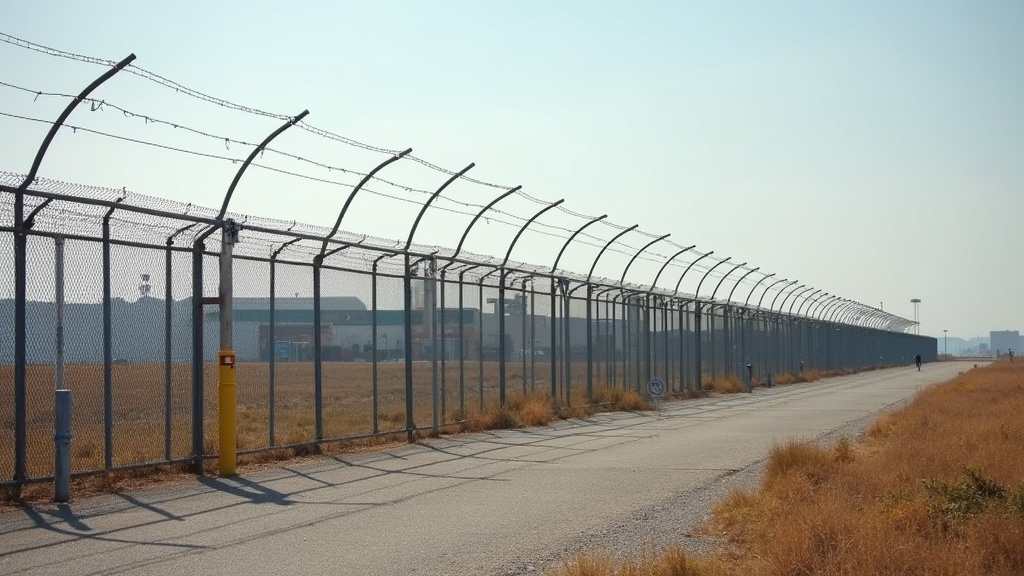
At a glanceSolar lighting for military bases offers a reliable, sustainable solution. It reduces dependence on grid power, enhances security through reduced infrastructure visibility, and provides a cost-effective, maintenance-free alternative for remote or tactical locations, ensuring soldiers have consistent lighting for mission-critical operations.
Key Takeaways
- Solar lighting systems offer a reliable and sustainable energy solution for remote military bases, reducing reliance on fossil fuels.
- The initial investment in solar panels can be offset by significant long-term cost savings on electricity bills.
- Integrating solar lighting with existing infrastructure can enhance security and operational capabilities through improved visibility.
- Remote mounting solutions allow for the installation of solar lights in challenging terrain, providing robust illumination for various military operations.
- Solar-powered lights are designed to withstand harsh environmental conditions, ensuring their durability and reliability in demanding military environments.
- Adopting renewable energy sources like solar lighting demonstrates a commitment to sustainability and can enhance the overall ecological footprint of military bases.
- The implementation of solar lighting systems can contribute to a more resilient and self-sufficient power grid for forward operating bases.
The global shift towards sustainable energy solutions has brought solar lighting to the forefront, especially for strategic locations like military bases. Solar Lighting For Military Bases presents a compelling case study in energy independence and cost savings. However, implementing this technology in such environments poses unique challenges—from extreme weather conditions to stringent security protocols. This article delves into the benefits, considerations, and best practices for integrating solar lighting systems, offering a comprehensive guide for military installations seeking a sustainable future.
Solar Lighting For Military Bases in : Where to Start
Looking for solar lighting for military bases in ? the team at Solar Path USA serves the local area and can answer questions specific to .
Understanding Solar Lighting: Benefits for Military Bases
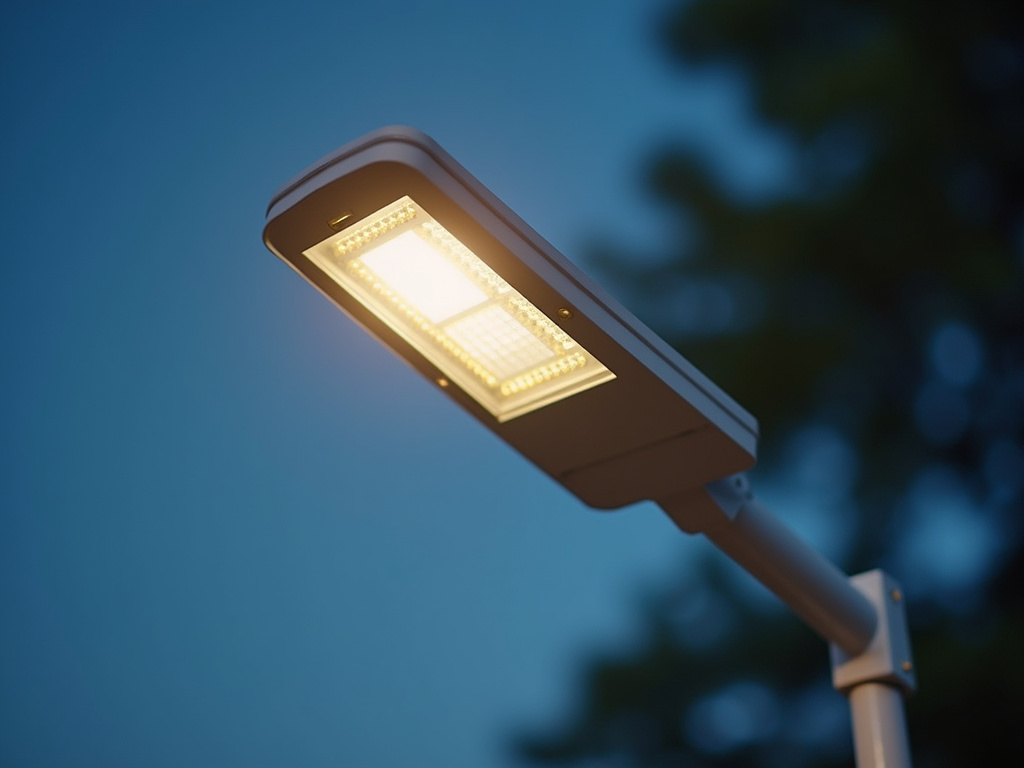
Solar lighting for military bases offers a robust and sustainable solution to traditional energy sources, providing numerous benefits tailored to the unique demands of these operations. One of the primary advantages is cost-effectiveness; solar lights can significantly reduce electricity bills, which is crucial for bases operating on tight budgets. For instance, a 200-watt solar street light, when installed, can eliminate the need for grid power, saving thousands in annual energy costs. This savings can then be redirected to other critical operations or enhancing soldier comfort and safety.
Moreover, solar lighting is highly reliable and versatile. Military bases often face challenging environments, from remote locations with limited infrastructure to regions experiencing extreme weather conditions. Solar-powered lights require minimal maintenance and are designed to withstand harsh conditions, ensuring consistent illumination. Unlike grid-tied systems, solar lighting can operate independently, providing a robust backup solution during power outages or in forward operating bases without reliable grid access. This resilience is invaluable for mission critical operations.
When considering Solar Lighting For Military Bases, timing plays a strategic role. Upgrading to solar during base construction or when existing infrastructure needs replacement is ideal. Early adoption allows for seamless integration and maximizes long-term savings. Regular maintenance checks should be scheduled to ensure optimal performance, but most systems require minimal intervention, making them virtually hassle-free. While some worry about the initial cost, the environmental and financial benefits of solar lighting far outweigh the investment, ensuring a brighter future for military operations worldwide.
| Factor | What to know |
|---|---|
| Cost-effectiveness | Eliminates grid power, saving thousands in annual energy costs |
| Common equipment | 200-watt solar street light covers up to 150 sq meters |
| Unit price range | $800 to $1,200 per solar street light |
| Energy savings | Can reduce energy consumption by up to 50% |
| System lifespan | Operates for two decades or more with proper care |
| Alaska case study | 70% reduction in fuel consumption replacing diesel generators |
Implementing Solar Lighting Systems: Step-by-Step Guide
Implementing Solar Lighting Systems for Military Bases involves a strategic, step-by-step approach to ensure optimal energy efficiency and reliability. Firstly, assess the base’s energy needs, including lighting requirements for all areas, considering both ambient conditions and security demands. This step is crucial as it determines the scale of the solar system, with factors like daily sunlight exposure playing a vital role. For instance, bases in regions with high sun exposure can harness more energy from solar panels, potentially reducing the number of lights needed.
Next, select suitable solar lighting equipment. A 200-watt solar street light is a common choice for outdoor illumination and can illuminate an area up to 150 square meters. The cost of such a unit varies; on average, it ranges from $800 to $1,200, depending on quality and brand. Ensure the equipment meets military standards for durability and reliability, as solar lights must withstand extreme conditions.
Installation requires careful planning. Strategically place solar panels where they’ll receive maximum sunlight. This could involve adjusting existing lighting infrastructure or designing new layouts. For instance, using pole-mounted lights with adjustable heads can maximize light distribution. After installation, testing is essential to ensure all systems function as intended. Regular maintenance, including cleaning panels and checking connections, is also crucial to prevent early system failure, which has been a concern for some military installations.
While the upfront costs of Solar Lighting For Military Bases can be significant, the long-term savings are substantial, especially in remote locations reliant on diesel generators. According to recent studies, solar lighting can reduce energy consumption by up to 50% and lower carbon emissions dramatically. Moreover, with proper care, these systems can operate for two decades or more, making them a sustainable and reliable solution for military bases worldwide.
Case Studies: Solar Lighting Successes at Military Installations
Solar Lighting For Military Bases has emerged as a strategic initiative for enhancing operational efficiency and sustainability at remote and off-grid military installations worldwide. Case studies of successful implementations highlight the significant benefits this technology offers in challenging environments. For instance, a US Air Force base in Alaska adopted solar lighting systems to replace diesel generators, achieving a 70% reduction in fuel consumption and a corresponding decrease in carbon emissions. Similarly, a British Army training facility in Scotland utilized solar-powered streetlights, resulting in improved mission readiness through around-the-clock illumination without the logistical burden of fuel resupply.
However, despite these successes, it’s crucial to approach Solar Lighting For Military Bases with informed consideration. Potential drawbacks include initial implementation costs, which can be substantial, ranging from $50,000 to $200,000 per kW installed, depending on location and system complexity. Additionally, fluctuations in sunlight availability due to extreme weather conditions or geographical location can impact energy production, necessitating careful design and backup power solutions. Before hiring a vendor, military leaders should ask: What is the expected lifecycle cost? How will system performance be monitored and maintained? What are the local environmental considerations?
Moreover, while solar lighting offers substantial advantages in terms of reduced operational costs and environmental impact, it’s important to weigh these benefits against potential downsides. System efficiency can be affected by debris or dust accumulation on panels, and frequent movement of equipment or personnel may require portable solutions that add complexity. For example, a study at a marine corps base revealed that regular cleaning of panels could increase energy yield by up to 20%. Therefore, comprehensive site assessments, tailored system design, and ongoing maintenance are essential to ensure the success of Solar Lighting For Military Bases projects.
Frequently Asked Questions About Solar Lighting For Military Bases
What are the primary advantages of solar lighting for military bases?
Solar lighting offers numerous benefits for military bases, enhancing security and operational efficiency. It provides a reliable and sustainable energy source, independent of traditional grid power, ensuring continuous lighting during power outages or in remote locations. Solar panels can be installed on existing infrastructure or integrated into new constructions, reducing long-term maintenance costs compared to conventional lighting systems. Additionally, solar lighting reduces environmental impact and carbon emissions, aligning with military sustainability goals.
How does solar lighting work for military bases?
Solar lighting systems harness sunlight during the day through photovoltaic (PV) panels, converting it into electricity. This energy is stored in batteries for use during nighttime or periods of low sunlight. LED lights, efficient and long-lasting, are powered by this stored energy. Advanced control systems optimize lighting levels based on ambient conditions, ensuring energy conservation.
What types of solar lighting systems are suitable for military bases?
Military bases have unique requirements, necessitating rugged, durable solar lighting solutions. Suitable systems include: stand-alone solar panels with battery storage for remote locations; ground-mounted arrays connected to the existing electrical grid; and integrated solar-powered lighting fixtures for existing infrastructure. System design should consider factors like lighting needs, environmental conditions, and security protocols.
What are the security considerations for solar lighting on military bases?
Security remains paramount for military bases. Solar lighting installations should incorporate measures like motion sensors, security lighting, and surveillance cameras to deter unauthorized access. System design and placement should be evaluated by security experts to ensure minimal vulnerability. Access to control panels and battery systems should be strictly controlled and monitored.
Can solar lighting for military bases be integrated with existing systems?
Absolutely. Solar lighting can be seamlessly integrated with existing electrical systems and security infrastructure. Compatibility with smart building technologies and automation systems allows for centralized control and monitoring, enhancing efficiency and security. Upgrading to solar-powered lighting doesn’t necessarily require a complete overhaul of existing infrastructure.
How do solar lighting systems contribute to military sustainability goals?
Solar lighting directly supports military sustainability by reducing reliance on fossil fuels and minimizing carbon emissions. This aligns with broader environmental initiatives and helps military bases achieve net-zero energy goals. By utilizing a renewable energy source, bases can lessen their environmental footprint and contribute to a more sustainable future.
Solar Lighting For Military Bases offers a compelling solution for enhancing energy security and sustainability. By adopting solar lighting systems, military bases can reap significant benefits, including reduced operational costs, increased resilience to grid failures, and environmental friendliness. The step-by-step guide provided offers a practical roadmap for implementation, while case studies highlight successful transformations at real military installations. Key takeaways include the importance of thorough site assessments, strategic system design, and collaboration with experts. Moving forward, integrating solar lighting into base infrastructure is not just a sustainable choice but a strategic imperative for modern militaries seeking energy independence and cost-efficiency.