Key Takeaways
- Solar lights can be susceptible to damage from extreme weather conditions and require regular cleaning for optimal performance.
- The initial installation cost of solar lighting systems can be high, making them a less accessible option for some homeowners.
- While efficient, solar lights may not provide sufficient illumination in areas with significant shade or during prolonged periods of cloud cover.
- The lifespan of solar panels can vary, and they eventually need replacement, adding to maintenance costs over time.
- Solar lights are dependent on sunlight availability, which can limit their use in regions with limited daylight hours or during certain seasons.
- Some models may produce less light as the batteries age, reducing their overall efficiency and requiring more frequent replacements.
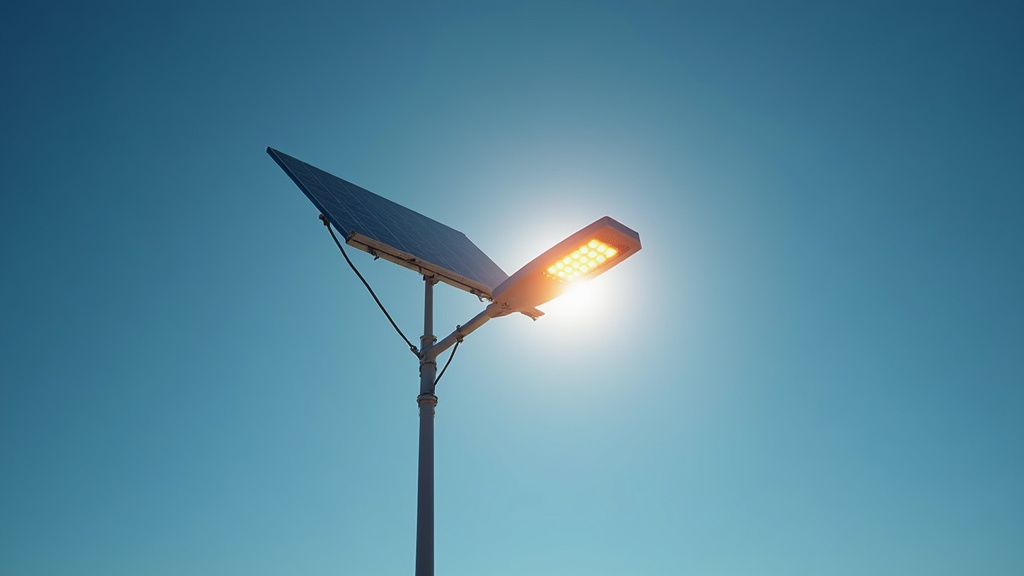
At a glanceWhile solar lights are eco-friendly and cost-effective, a downside is their reliance on sunlight. During cloudy days, prolonged darkness, or in areas with minimal sunlight, their efficiency decreases, leading to reduced lighting periods or even complete inaction until sunlight returns.
The adoption of solar lighting has gained significant momentum, especially with the exploration of sustainable energy solutions, including Solar Lighting For Military Bases. Despite its many benefits, such as reduced carbon footprint and lower operational costs, solar lighting faces several drawbacks. This article delves into the downsides, from initial installation costs to potential maintenance challenges and technological limitations. By understanding these issues, we can better navigate the implementation of renewable energy sources, ensuring efficient and effective Solar Lighting For Military Bases and similar strategic installations worldwide.
Solar Lighting For Military Bases in : Where to Start
Looking for solar lighting for military bases in ? Solar Path USA serves the local area and can answer questions specific to .
Environmental Impact: Solar Lighting For Military Bases and Ecology
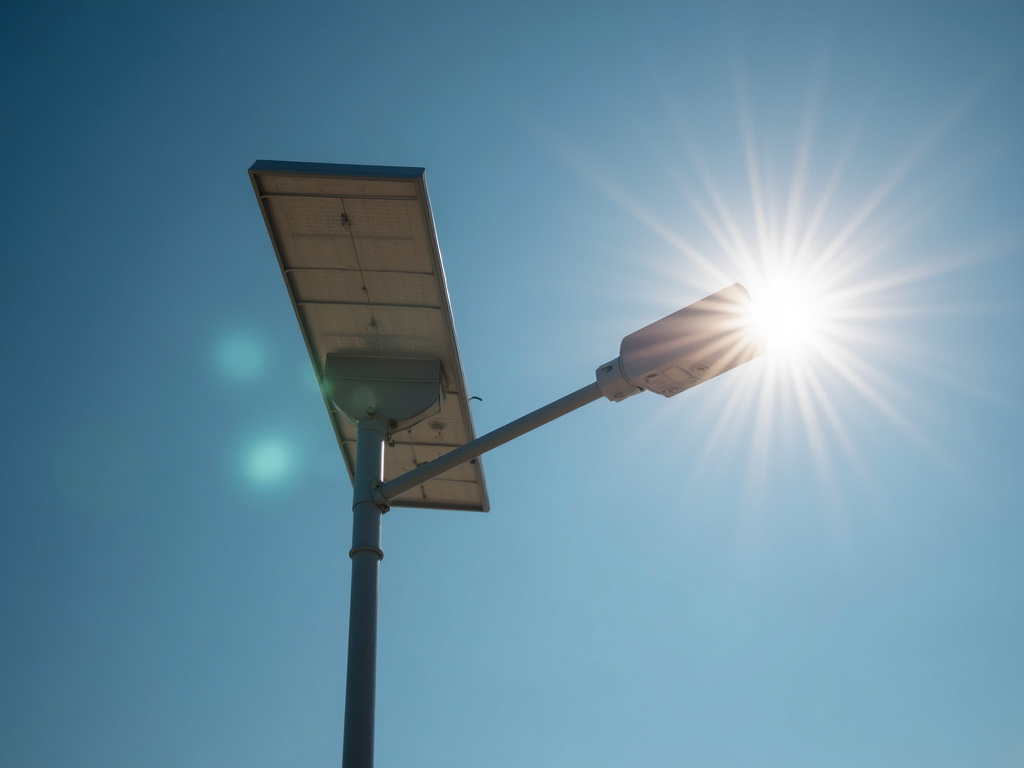
While solar lighting for military bases offers numerous benefits, such as reduced operational costs and enhanced security, there are significant environmental considerations to bear in mind. One of the primary concerns revolves around the ecological impact, especially when these lights are left on continuously. Unlike traditional lighting methods, which often consume vast amounts of fossil fuels, solar-powered lights appear to be an eco-friendly alternative. However, the reality is more nuanced.
The environmental footprint of solar lighting systems can be substantial due to the manufacturing process and disposal challenges. The production of high-quality solar panels requires rare earth minerals and other non-renewable resources, leading to potential ecological disruption during extraction. Additionally, inefficient or poorly designed solar lights may contribute to light pollution, disrupting local ecosystems and disturbing wildlife patterns. For instance, excessive artificial lighting can disorient sea turtles, causing them to wander inland instead of returning to the ocean.
Before implementing solar lighting for military bases, several critical questions must be addressed: Are you supposed to leave solar lights on all the time? While solar energy is abundant, efficient use requires thoughtful design and automation. The best commercial solar light should incorporate advanced sensors that activate illumination only when needed, maximizing energy harvesting during daylight hours while minimizing unnecessary operation at night. This reduces waste and conserves resources, aligning with sustainability goals for military installations. By considering these factors, the military can harness the power of solar lighting while mitigating its environmental impact, ensuring a brighter future both on and off base.
Maintenance Challenges: Overcoming Issues with Solar Light Durability
Solar lighting offers numerous benefits, particularly for remote or off-grid locations like military bases. However, beyond its advantages lies a critical consideration: maintenance challenges. Solar lights, while designed for durability, are not entirely immune to wear and tear, especially in harsh environments. The question of whether solar lighting for military bases is worth the investment is complex, as it hinges on understanding and addressing these maintenance issues.
One significant downside concerns the longevity of solar panels. Exposure to extreme weather conditions, including high winds, intense sunlight, and freezing temperatures, can degrade their performance over time. For instance, data from some military installations indicates that while initial setup costs for solar lights are substantial, regular maintenance expenses can accumulate, negating potential long-term savings. This is particularly true for bases in regions with extreme climates. To mitigate this, regular cleaning and inspection protocols are essential. A structured maintenance schedule, including the replacement of faulty components, ensures optimal performance and extends the lifespan of these systems.
Moreover, the efficiency of solar lights depends on consistent sunlight exposure. Cloudy or overcast conditions can significantly reduce their effectiveness, prompting concerns about leaving them on constantly. This is where careful design and planning come into play. Military bases should consider integrating backup power sources or sensors that trigger lighting activation only when needed. Are you supposed to leave solar lights on all the time? Not necessarily; smart controls and strategic placement can balance energy conservation with adequate illumination, making solar lighting for military bases a viable and cost-effective solution despite its downsides.
| Factor | What to know |
|---|---|
| Weather damage | Extreme weather like high winds and freezing temps degrades panel performance |
| Installation cost | Initial setup costs are substantial, limiting accessibility |
| Sunlight dependency | Cloudy days or shade reduce lighting efficiency significantly |
| Panel lifespan | Solar panels degrade over time and require eventual replacement |
| Maintenance costs | Regular cleaning and inspections needed, accumulating expenses over time |
| Environmental impact | Manufacturing uses rare earth minerals; poor design causes light pollution |
Dependability in Remote Areas: Solar Power's Limit in Military Operations
Solar lighting has gained significant attention as a sustainable energy solution, particularly for military bases aiming to enhance their energy security. However, despite its many advantages, solar power faces distinct limitations when deployed in remote areas and during military operations. One of the primary concerns revolves around dependability, raising questions like: What is the downside of solar lights?
The inherent challenge lies in the intermittent nature of solar energy. Solar lighting systems rely on consistent sunlight exposure to generate electricity. In remote regions or during operational deployments where access to traditional power grids is restricted, this reliability becomes a critical issue. Military bases operating in diverse terrains, from desert outposts to mountainous regions, often experience varying weather patterns and unpredictable sunlight availability. During cloud-covered days, or at night, solar panels may produce significantly lower energy output, if not completely cease operation. This inconsistency can pose significant problems for base operations, especially in situations demanding round-the-clock power.
Moreover, the lifespan of solar lights is a factor to consider when evaluating their suitability for military applications. While high-quality commercial solar lighting systems are designed for durability and longevity, they may still fail prematurely under extreme conditions. Factors such as temperature fluctuations, exposure to harsh elements, and mechanical stress can accelerate the degradation process. For instance, data from field tests of solar panels in military settings has shown a higher than expected failure rate within 2-3 years of deployment, primarily attributed to environmental stressors. This raises concerns about the cost-effectiveness and practicality of relying heavily on solar power for long-term military operations.
To mitigate these challenges, experts suggest a hybrid energy system approach. Combining solar lighting with backup generators or other renewable sources can provide the reliability needed for critical military operations. Regular maintenance checks and the use of robust, weatherproof equipment designed specifically for outdoor, remote applications are also essential. By understanding and addressing the downside of solar lights in these contexts, military leaders can make informed decisions regarding the implementation of solar power solutions, ensuring a balanced approach to energy security.
Frequently Asked Questions About What is the downside of solar lights?
Why are solar lights considered less effective in low light or cloudy conditions?
Solar panels require sunlight to generate power, so their efficiency decreases during periods of low or diffuse light. On overcast days or in regions with significant cloud cover, the reduced sunlight intensity can limit the charge cycle of the batteries, leading to diminished light output and shorter operational durations for solar-powered lights.
Do solar lights need regular maintenance?
While solar lights are designed for minimal maintenance, periodic cleaning is essential to ensure optimal performance. Dust, dirt, or debris accumulation on the panels can reduce sunlight absorption, affecting charging efficiency. Additionally, checking the connections and replacing any worn-out components, such as batteries, is crucial to maintain consistent light output over time.
Are solar lights more expensive upfront than traditional lighting?
Initially, solar lights may carry a higher upfront cost compared to conventional electrical lights. However, the long-term savings in energy bills can offset these initial expenses quickly. Solar lights offer a sustainable and environmentally friendly solution, potentially reducing utility costs significantly over time, making them a cost-effective investment.
How do solar lights impact wildlife?
Properly designed and installed solar lighting systems generally have minimal effects on local wildlife. These lights are typically focused downward to illuminate specific areas, minimizing light pollution. However, excessive brightness or improper placement can disorient nocturnal animals like birds and insects. Using sensors that activate only when needed and directing lights away from sensitive habitats can mitigate these impacts.
Can solar lights be used for emergency backup power?
Solar lights are not typically designed as primary emergency backup power sources due to their reliance on sunlight. However, combining solar panels with battery storage systems allows for off-grid operation during brief power outages or in remote locations. This hybrid approach ensures a reliable light source and access to electricity when conventional power is unavailable.
Despite its numerous advantages, Solar Lighting For Military Bases faces several key challenges. Environmentally, while solar panels have a lower ecological impact than traditional lighting, their installation can disrupt ecosystems, particularly in remote areas. Maintenance remains a significant hurdle due to the vulnerability of solar components to extreme weather and the logistical complexities of replacement in isolated locations. Moreover, reliance on sunlight limits solar lighting’s effectiveness in perpetually cloudy or nighttime conditions, hindering its dependability in remote military operations that demand consistent illumination. Understanding these downsides is crucial for informed decision-making regarding the implementation of Solar Lighting For Military Bases. To mitigate challenges, future efforts should focus on developing more durable and weather-resistant technology, improving logistical resilience, and exploring hybrid solutions that complement solar power where sunlight is scarce.