Key Takeaways
- Extreme weather conditions, such as frost and heavy rain, can accelerate the degradation of solar panel efficiency and lifespan.
- Lack of sunlight exposure during cloudy days or seasonal changes significantly reduces energy absorption, impacting performance.
- Inadequate protection from physical damage, like birds or falling debris, can cause early failure of solar lights.
- Poorly designed or low-quality components may lead to electrical malfunctions, requiring more frequent replacements.
- Regular cleaning and maintenance, including wiping down panels and checking connections, are crucial for optimal energy production.
- Solar lights in remote areas might struggle due to limited access to replacement parts and professional repair services.
At a glanceSolar lights fail quickly due to exposure to extreme weather conditions like frost and snow, which can damage the panels’ efficiency. Additionally, dust and debris accumulating on the panels block sunlight, reducing their energy absorption. Regular cleaning and maintenance are crucial to prolonging their lifespan.
Solar lighting has gained prominence, especially in remote areas like military bases, offering a sustainable and reliable energy source. However, a prevalent concern is the seemingly rapid failure of solar lights. This issue not only impacts the efficiency of these systems but also poses challenges for operations in harsh environments, such as Solar Lighting For Military Bases. Understanding the reasons behind these failures is crucial for maintaining optimal performance and longevity. This article delves into the complex factors contributing to solar light degradation, offering insights to address this pressing need.
Solar Lighting For Military Bases in : Where to Start
Looking for solar lighting for military bases in ? Solar Path USA serves the local area and can answer questions specific to .
Understanding Solar Light Failure Modes
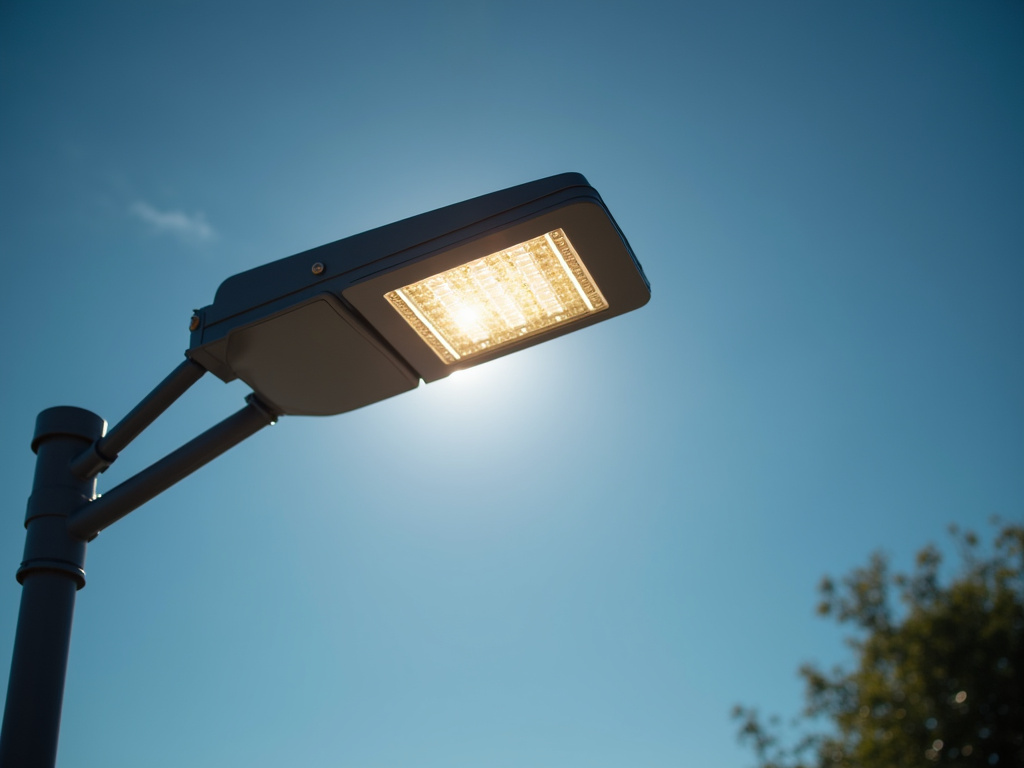
Solar lights, particularly those designed for outdoor applications like military bases, are often touted as sustainable and cost-effective solutions. However, despite their promise, these lights can fail relatively quickly. Understanding why solar lighting fails is crucial for optimizing performance and longevity, especially in demanding environments such as military installations where reliability and durability are paramount.
One of the primary reasons solar lights fail so quickly is due to issues with the solar panel itself. These panels are sensitive to shading, which can significantly impact energy collection. Even minor obstructions like fallen leaves or dust particles can reduce efficiency, causing the light to dim or stop working altogether. Additionally, extreme weather conditions—from heavy snowfall to intense sunlight—can accelerate wear and tear on components, leading to premature failure. The harsh environmental factors common in military bases, including temperature extremes and constant exposure, further exacerbate these issues.
Moreover, the downside of solar lights becomes more apparent when considering their limited lifespan compared to traditional lighting options. While initial costs may be lower, the total cost of ownership over time can surpass that of diesel or grid-powered systems due to frequent replacements and maintenance. To qualify for Solar Lighting For Military Bases, installations must demonstrate robust designs capable of enduring these challenges. This involves selecting high-quality components, implementing smart monitoring systems to detect early signs of malfunction, and adopting regular maintenance routines tailored to the base’s specific climate and conditions. By addressing these factors, military bases can maximize the benefits of solar lighting while minimizing failure rates and ensuring reliable illumination.
Environmental Factors Accelerating Depreciation
Solar lights, particularly those designed for outdoor applications like military bases, are often expected to operate reliably for years. However, they can fail relatively quickly, with a significant portion of their useful life lost to environmental factors. Extreme temperatures, whether scorching heat or freezing cold, can stress solar panels’ performance and longevity. Additionally, humidity and exposure to moisture accelerate corrosion and damage to the light’s components. These elements are particularly challenging for military bases, which often lie in remote, harsh environments.
Another critical factor is frequent on-off cycles due to power outages or manual disconnections. While solar lights are designed for energy independence, sudden power fluctuations can degrade their performance over time. This issue is pertinent to military operations where power reliability may vary. To qualify for Solar Lighting For Military Bases, it’s essential to understand these environmental impacts and plan accordingly. When considering such installations, ask: Are you supposed to leave solar lights on all the time? Understanding the local climate and power availability is crucial. Moreover, before hiring a provider, inquire about their designs’ resilience against these factors and request maintenance plans tailored for demanding military environments.
Regular maintenance, including cleaning panels and inspecting connections, can significantly extend the lifespan of solar lights. However, many users overlook these needs, leading to accelerated depreciation. To ensure optimal performance, it’s essential to implement a proactive maintenance schedule. For instance, data from industry leaders suggests that well-maintained solar lights can retain up to 80% of their initial efficiency after 5 years, compared to just 50% for neglected systems. Therefore, proper care and regular checks are vital considerations when investing in Solar Lighting For Military Bases or any outdoor solar solution.
| Factor | What to know |
|---|---|
| Extreme weather | Frost, heavy rain, and snow accelerate degradation of panel efficiency and lifespan |
| Sunlight exposure | Cloudy days or seasonal changes reduce energy absorption and performance |
| Physical damage | Birds or falling debris can cause early failure of solar lights |
| Component quality | Poorly designed or low-quality parts lead to electrical malfunctions |
| Regular maintenance | Cleaning panels and checking connections is crucial for optimal energy production |
| Maintenance impact | Well-maintained lights retain up to 80% efficiency after 5 years vs 50% neglected |
Maintenance Strategies for Longevity: Solar Lighting For Military Bases
Maintaining solar lighting systems for military bases requires a strategic approach to ensure their longevity and optimal performance. Solar lights often fail quickly due to various factors such as extreme weather conditions, regular use, and inefficient design. To qualify for and maximize the benefits of Solar Lighting For Military Bases, base commanders should consider comprehensive maintenance strategies from expert providers.
Firstly, what do you need to qualify for Solar Lighting For Military Bases? It involves understanding your energy demands, assessing site-specific challenges, and selecting robust, high-quality solar panels and equipment. The right provider will also offer ongoing support, including regular inspections and maintenance plans tailored to the base’s unique needs. Before hiring, it’s crucial to ask specific questions such as: What is the typical lifespan of your solar panels under these conditions? Can you provide case studies of similar installations? How often do system checks need to occur, and what kind of response time guarantees do you offer in case of issues?
Transitioning to solar lighting offers significant advantages for military bases, enhancing security through reliable illumination while reducing carbon footprints and operational costs. However, to truly harness these benefits, bases must invest in well-planned maintenance strategies. For instance, regular cleaning of panels to mitigate dust buildup is essential, as is monitoring battery health and system efficiency. What to expect from Solar Lighting For Military Bases includes ongoing performance optimization, proactive issue resolution, and data-driven insights into energy savings—all contributing to a robust and sustainable lighting infrastructure. By prioritizing these aspects, military bases can enjoy the full potential of solar power for years to come.
Frequently Asked Questions About Why do solar lights fail so quickly?
Why do solar lights stop working after a few months?
Solar lights often fail due to several reasons, including exposure to extreme weather conditions like frost or heavy rain, which can damage the components. Additionally, dust and debris buildup on the solar panel can reduce its efficiency. Battery degradation over time is another common issue, as are issues with the charging controller, which manages power flow. Regular cleaning of panels and occasional maintenance checks can prolong their lifespan.
Can solar lights work in cloudy or shady areas?
Solar lights generate power from sunlight, so they’re most effective in areas with direct sunlight for extended periods. However, cloudy or shaded locations can still support solar lighting to some extent, especially during the brighter parts of the day. The efficiency will be lower, but modern panels are designed to capture light even under less-than-ideal conditions.
Are there ways to extend the lifespan of solar lights?
Absolutely. Regular cleaning of solar panels ensures maximum sunlight absorption. Protecting them from extreme weather and debris can also lengthen their life. Using high-quality batteries and controllers that are designed for outdoor use is crucial. Additionally, consider using a backup power source during periods of low sunlight to keep the lights operational.
How do I know if it’s the solar panel or battery causing the problem?
If your light doesn’t charge when exposed to direct sunlight, the issue is likely with the solar panel’s efficiency or wiring. If it charges but doesn’t stay lit, check the battery and ensure it holds a charge. A multimeter tool can help diagnose electrical issues by measuring voltage and current.
Can I replace individual components of a broken solar light?
Most solar lights are designed for modular replacement, meaning you can often replace individual parts like panels or batteries. However, some models may require professional repair or replacement of the entire unit. Refer to the manufacturer’s instructions or consult a specialist for guidance.
Is it worth investing in solar lights despite their apparent short lifespan?
Solar lights offer significant long-term savings on energy costs and are environmentally friendly. While initial investment might be higher, they pay for themselves over time. Modern solar technology is also continually improving, leading to longer-lasting and more efficient products.
Solar lights often fail prematurely due to a combination of environmental factors and neglect. Understanding failure modes and implementing robust maintenance strategies are key to extending their lifespan, especially in demanding environments like Solar Lighting For Military Bases. Key insights include the impact of temperature extremes, moisture ingress, and dust accumulation, as well as the importance of regular cleaning and component checks. By adopting proactive maintenance routines, these measures can significantly reduce failure rates, ensuring reliable illumination for critical operations at military bases and enhancing overall system longevity.