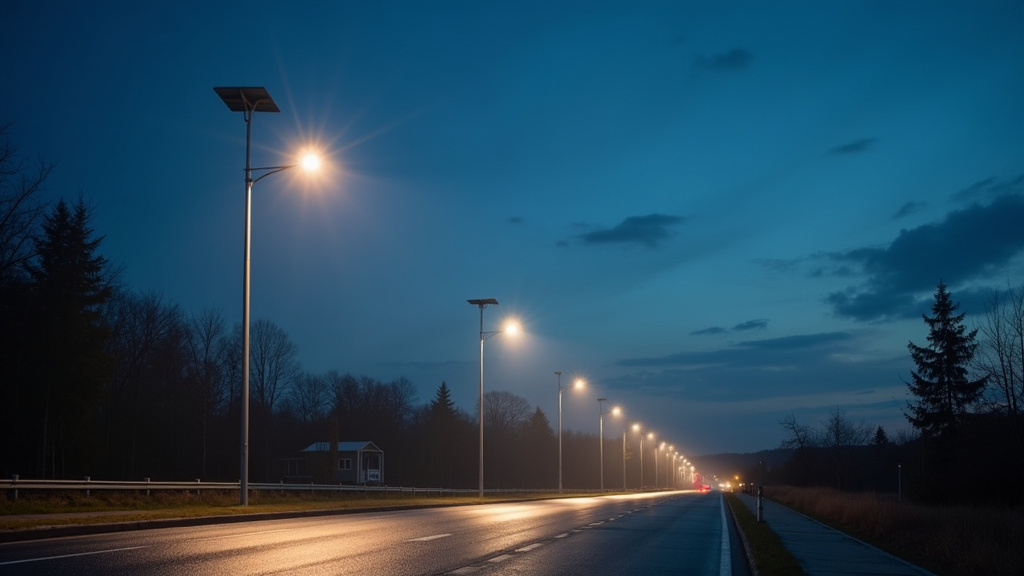
Key Takeaways
- Solar lighting systems offer a reliable and sustainable energy solution for military bases, reducing reliance on traditional fuel sources.
- The upfront costs of installation can be offset by significant long-term savings on electricity bills.
- Military bases can benefit from improved security and situational awareness through 24/7 operational solar lighting.
- Integrating solar lighting with energy storage solutions enhances base resilience during power outages or deployments.
- Solar technology advancements enable efficient lighting for all weather conditions and diverse base environments.
- Implementing solar lighting projects can create jobs and promote sustainable energy practices within the military.
- Early adoption of solar lighting can provide military bases with a competitive edge in energy efficiency and cost-saving measures.
At a glanceSolar lighting for military bases offers a reliable, sustainable solution. It reduces reliance on traditional power grids, enhancing security and minimizing maintenance. Solar panels can be discreetly integrated into base infrastructure, providing bright, consistent lighting day and night, ideal for remote and high-security areas.
The global shift towards sustainable energy solutions has brought solar lighting to the forefront, especially in critical infrastructure sectors like military bases. Traditional lighting systems, often reliant on fossil fuels, present logistical challenges and security risks. Solar Lighting for Military Bases offers a robust, self-sufficient alternative. This article delves into the benefits of adopting solar-powered lighting, from enhanced operational resilience to reduced environmental impact. We explore advanced technologies, deployment strategies, and case studies, providing a comprehensive guide for military leaders considering this transformative solution.
Solar Lighting For Military Bases in : Where to Start
Looking for solar lighting for military bases in ? the team at Solar Path USA serves the local area and can answer questions specific to .

Evaluating Solar Lighting Solutions for Military Bases
Evaluating Solar Lighting Solutions for Military Bases requires a multifaceted approach given their unique operational demands. Solar lighting, as an alternative energy source, offers distinct advantages such as reduced carbon footprint, lower operational costs, and enhanced security through reduced reliance on grid electricity. However, to truly understand what to expect from Solar Lighting For Military Bases, bases must assess their specific needs and constraints. Key factors include energy consumption patterns, available rooftop space for panel installation, local climate conditions affecting panel efficiency, and maintenance requirements.
For instance, a base in a region with high cloud cover or frequent dust storms will require more robust panel designs and additional cleaning mechanisms compared to one enjoying consistent sunlight. Additionally, understanding the technological advancements in solar panels is crucial. Modern systems are more efficient and durable, with advanced features like smart monitoring and adaptive lighting controls that optimize energy harvest and distribution. The potential savings from Solar Lighting For Military Bases are significant; according to recent studies, installations can reduce energy costs by 50-70%, a substantial incentive for bases looking to streamline their budgets.
However, the decision to adopt Solar Lighting For Military Bases is not merely an economic one. It involves qualifying for relevant grants and incentives, navigating regulatory requirements, and ensuring compatibility with existing infrastructure. Is Solar Lighting For Military Bases worth it? Absolutely, provided proper evaluation and planning. The transition requires collaboration between base leadership, energy specialists, and solar installers to design a tailored system that aligns with both operational needs and cost savings goals. What do you need to qualify for Solar Lighting For Military Bases? Thorough site assessments, detailed budgeting, and adherence to military-specific guidelines are essential steps in unlocking the full potential of this renewable energy solution.
Implementing Solar Lighting: A Step-by-Step Guide for Bases
Implementing Solar Lighting: A Step-by-Step Guide for Military Bases
The transition to solar lighting for military bases presents a compelling blend of environmental stewardship and strategic advantages. Solar lighting for military bases isn’t merely a trend; it’s a robust, long-term solution that offers significant cost savings, enhanced operational resilience, and reduced environmental impact. However, the path to successful implementation involves careful planning and consideration. This guide offers a practical, step-by-step approach, ensuring bases maximize the benefits of solar lighting.
Step 1: Conduct a Thorough Assessment Begin by evaluating the base’s current energy consumption, existing infrastructure, and solar irradiation levels. Assess lighting demands, identifying areas most suitable for solar panels. This initial phase is crucial, as it determines the system’s size, type, and potential. For instance, high-intensity areas like parking lots and perimeter security zones can greatly benefit from solar-powered floodlights, while interior spaces may be better suited for energy-efficient LED fixtures.
Step 2: Choose the Right Solar Technology Select solar panels and lighting equipment designed for harsh environments. Look for durable, military-grade components capable of withstanding extreme temperatures, high humidity, and potential debris impact. Consider advanced technologies like high-efficiency monocrystalline or polycrystalline panels, and LED lights with high color rendering indices for improved visibility.
Step 3: Integrate with Existing Systems Seamless integration is key. Assess the base’s electrical grid and distribution systems to ensure compatibility. Smart grid technologies can optimize energy storage and distribution, enhancing overall efficiency. Implement monitoring systems to track energy production, lighting usage, and system performance, enabling proactive maintenance and maximizing ROI.
Is Solar Lighting For Military Bases worth it? Absolutely, when implemented correctly. Solar lighting offers significant long-term savings, reduces reliance on volatile fuel supplies, and enhances sustainability. Studies show that military installations that have adopted solar can achieve energy cost savings of 30-50%, while also lowering their carbon footprint.
What to Expect: Expect a reduction in lighting-related maintenance costs, as solar systems require minimal upkeep. You’ll also benefit from improved energy security, as solar power diversifies energy sources, lessening vulnerability to outages caused by natural disasters or geopolitical events.
How to Choose Solar Lighting For Military Bases: Prioritize reliability and durability. Select vendors with proven experience in military applications, offering warranties and after-sales support. Evaluate system design, ensuring it aligns with base needs and complies with military standards. Remember, a well-planned and executed solar lighting project can transform military bases, making them more efficient, resilient, and environmentally responsible.

| Factor | What to know |
|---|---|
| Needs Assessment | Evaluate energy consumption, infrastructure, and solar irradiation levels before installation |
| Technology Selection | Choose durable, military-grade panels and LED lights for harsh environments |
| System Integration | Ensure compatibility with base electrical grid using smart grid technologies |
| Energy Cost Savings | Installations can reduce energy costs by 50-70% according to studies |
| Operational Savings | Adopting solar can achieve energy cost savings of 30-50% |
| Key Benefits | Improved security, reduced maintenance, and diversified energy sources |
Benefits and Challenges of Solar Lighting for Military Operations
Solar lighting for military bases offers significant advantages in terms of operational efficiency and environmental sustainability. The ability to power lighting systems independently of traditional grids enhances resilience during deployments and reduces reliance on fuel-based generators, especially in remote locations. Solar lighting systems can be quickly deployed, providing immediate off-grid lighting solutions for bases operating in challenging environments.
However, implementing solar lighting for military bases also presents several challenges. One key consideration is the initial cost, which can be substantial. Solar panels, batteries, and installation equipment require a significant upfront investment. While long-term savings on energy costs are realized, the initial financial burden can be a barrier for some military units. Another practical concern is the need for careful planning regarding solar light placement and timing. Unlike traditional lighting, solar-powered lights rely on daylight, requiring strategic positioning and potentially limiting nighttime illumination. It’s also crucial to manage the charging and storage of batteries effectively, as leaving solar lights on constantly can lead to overcharging and reduced system lifespan.
Despite these challenges, the benefits of solar lighting for military bases are substantial. Studies show that renewable energy solutions, including solar lighting, can reduce greenhouse gas emissions and lower operational costs by up to 50% over conventional power sources. Moreover, as military operations increasingly demand rapid deployment and adaptability, solar lighting provides a flexible and sustainable solution. To maximize the advantages, military organizations should consider partnering with specialized providers who can offer tailored systems, comprehensive maintenance, and ongoing support. By addressing the challenges and leveraging the benefits of solar lighting, military bases can enhance their operational capabilities and contribute to a greener future.
Frequently Asked Questions About Solar Lighting For Military Bases
What are the primary advantages of solar lighting for military bases?
Solar lighting offers numerous benefits for military installations, including reduced energy costs, minimal environmental impact, enhanced security through low-visibility operations, and resilience against grid failures. It contributes to a sustainable and cost-effective energy strategy, ensuring operational continuity in various environments.
How does solar lighting improve security at military bases?
By utilizing renewable energy from the sun, solar lighting reduces reliance on conventional power grids. This independence makes it less vulnerable to external threats and power outages, maintaining critical lighting during emergency situations. Additionally, solar-powered lights can be strategically placed to monitor and secure perimeters, enhancing overall base security.
Can solar lighting systems be easily maintained at military bases?
Absolutely. Solar lighting equipment is designed for minimal maintenance, with many models requiring only occasional cleaning and routine checks. Most systems have long lifespans, reducing the need for frequent replacements. On-site maintenance teams can efficiently manage these systems, ensuring optimal performance in challenging field conditions.
How do solar lights perform in low-light or cloudy conditions?
Solar lights are engineered to adapt to changing weather patterns. They store excess sunlight during bright periods, allowing continued operation even in low-light conditions or at night. Cloudy days may temporarily reduce energy collection, but advanced batteries and efficient lighting technology ensure consistent illumination when needed most.
Are there any environmental considerations with solar lighting installations?
Solar lighting is an environmentally friendly option as it reduces carbon emissions and minimizes the ecological footprint associated with traditional energy sources. Proper management of waste materials during installation and the use of sustainable practices further contribute to a positive environmental impact, aligning with military sustainability goals.
Solar Lighting for Military Bases offers a sustainable and strategic solution for enhancing operational efficiency and resilience. By evaluating various solar lighting technologies, implementing step-by-step guidance, and understanding the benefits and challenges, military bases can make informed decisions to transition to renewable energy sources. This article has provided key insights into the potential of solar lighting to reduce costs, minimize environmental impact, and improve mission readiness, highlighting its importance as a modern military infrastructure investment. The next steps for bases considering this shift include detailed cost-benefit analyses, engaging with technology providers, and integrating solar lighting into long-term sustainability plans.