
At a glanceSolar lighting is increasingly popular for military bases due to its reliability and energy efficiency. These renewable panels harness sunlight to power lights, reducing reliance on traditional fuel sources and enhancing base security with consistent illumination, even in remote areas.
Key Takeaways
- Solar lighting solutions offer a sustainable and cost-effective alternative for military base infrastructure.
- Reducing energy consumption through solar power can enhance security by lowering operational costs and dependency on external energy sources.
- Durable and low-maintenance solar panels are well-suited to the demanding environments of military bases, ensuring reliable light access.
- Integrating solar lighting with existing systems can provide backup power during outages, improving overall mission readiness.
- The implementation of solar lighting technologies contributes to a greener environment and aligns with sustainable defense initiatives.
- Long-term cost savings from solar energy can be significant, allowing for reallocation of funds to other critical military operations.
- Military bases can lead in renewable energy adoption by showcasing the benefits of solar lighting to global defense communities.
Military operations demand robust, reliable lighting solutions. Traditional lighting systems, however, can be susceptible to disruptions caused by weather, power outages, or hostile actions, leaving military bases vulnerable. This is where Solar Lighting for Military Bases emerges as a strategic advantage. By harnessing the power of the sun, solar lighting offers an innovative, resilient, and sustainable option. This article delves into the benefits, challenges, and implementation strategies of solar lighting systems, providing an authoritative guide for military installations looking to enhance their security and operational efficiency.
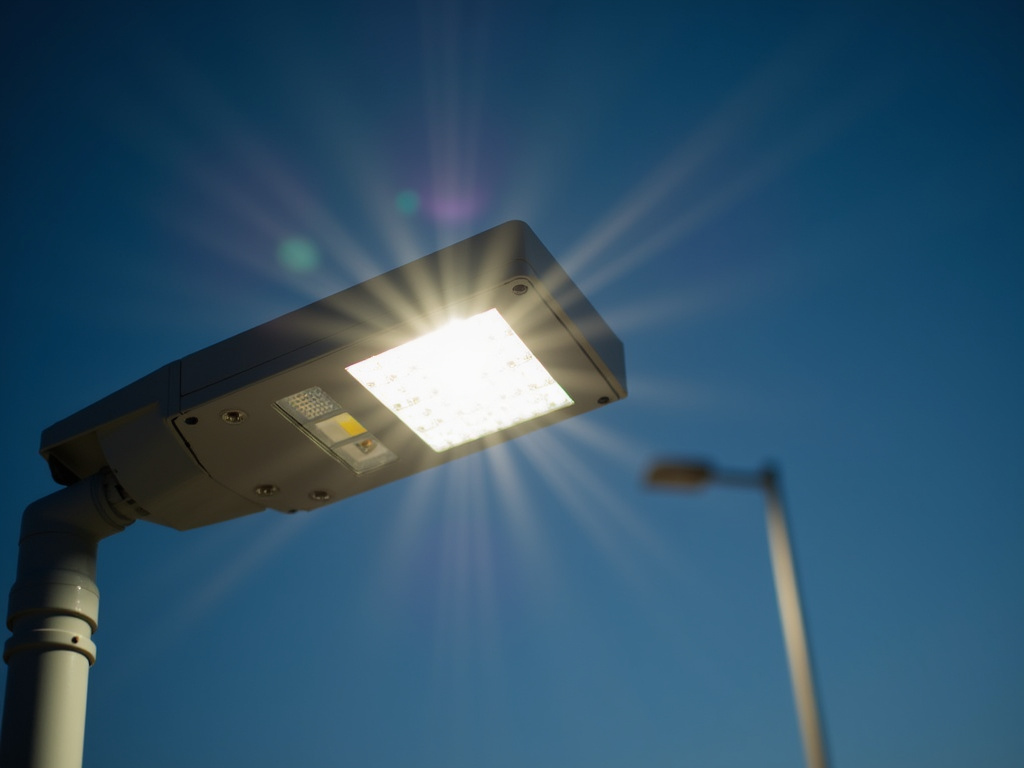
Solar Lighting For Military Bases in : Where to Start
Looking for solar lighting for military bases in ? Solar Path USA serves the local area and can answer questions specific to .
Evaluating Solar Lighting Needs For Military Bases
Military bases operate in some of the most demanding environments, requiring robust and reliable infrastructure. One area often overlooked but critical to base security and operational efficiency is outdoor lighting. Solar lighting for military bases offers a promising solution, leveraging renewable energy to enhance sustainability and reduce logistical burdens.
Evaluating solar lighting needs for these facilities requires careful consideration of unique factors such as extreme weather conditions, security protocols, and the specific activities conducted on base. For instance, a base hosting tactical training exercises will have different illumination requirements than a facility focused on research and development. When should you consider Solar Lighting for Military Bases? The answer lies in scenarios where consistent, dependable lighting is crucial but traditional power sources are impractical or costly to maintain. A 200-watt solar street light, for example, can provide substantial illumination while reducing energy consumption and carbon emissions.
Before hiring a solar lighting provider, military base commanders should ask insightful questions. These include the system’s durability in harsh conditions, maintenance requirements, and compatibility with existing security systems. Additionally, understanding the manufacturer’s experience in serving military installations is vital. For instance, questions like "What measures do you take to ensure the lights withstand extreme temperature fluctuations?" or "How often do panels need cleaning under dusty conditions?" can reveal a vendor’s depth of knowledge and commitment to quality. Ultimately, selecting the right solar lighting partner involves balancing technical specifications with operational needs, ensuring a secure and efficient outdoor lighting solution for military bases.
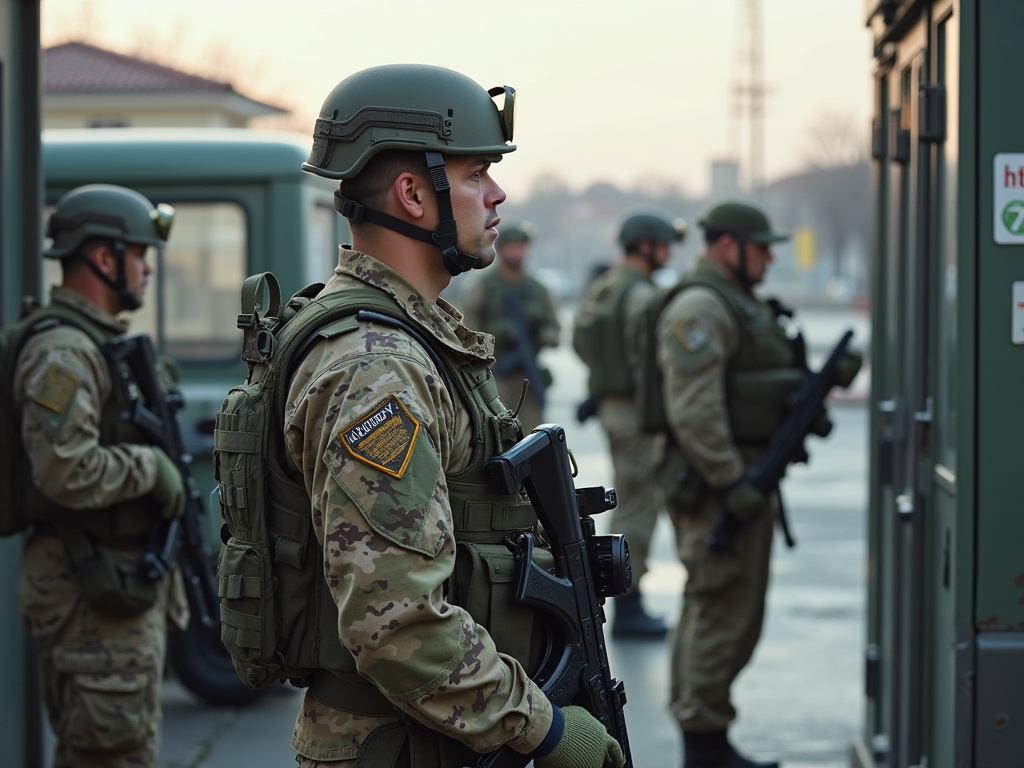
Implementation Strategies: Solar Lighting For Military Installations
Implementing Solar Lighting For Military Bases offers a myriad of benefits, from enhanced security and reduced operational costs to environmental sustainability. However, successful integration requires careful strategy and planning. A common concern, why do solar lights fail so quickly?, often stems from factors like extreme weather conditions, inefficient panel design, or inadequate battery storage. To mitigate these issues, military installations should prioritize high-quality, durable solar panels and batteries, along with robust mounting systems that can withstand harsh environments.
Before hiring specialists for Solar Lighting For Military Bases, several crucial questions should be addressed: What are the specific lighting needs and power requirements across the base? How much sunlight exposure is available during different seasons? Are there any environmental constraints or regulations to consider? Additionally, evaluating the track record and expertise of potential vendors is essential. Examining past projects, case studies, and client testimonials can provide valuable insights into their capabilities and reliability.
Hiring professionals for Solar Lighting For Military Bases is particularly recommended when significant retrofitting or new construction is involved. Complex projects require specialized knowledge and equipment to ensure optimal system design and performance. Data from recent studies indicates that well-designed solar lighting systems can reduce energy consumption at military bases by 30-50%, leading to substantial cost savings over time. Therefore, investing in expert guidance and high-quality installations can offer long-term benefits, ensuring robust, efficient, and secure lighting solutions tailored to the unique demands of military operations.
Benefits And Future Prospects Of Solar Powered Lighting At Military Bases
Solar lighting for military bases offers a promising solution to enhance security, reduce operational costs, and minimize environmental impact. The benefits are substantial, from 24/7 operational readiness to energy cost savings—a significant factor given the high energy demands of these facilities. Solar-powered lighting systems can be a game-changer in remote or hard-to-reach areas, providing consistent illumination without reliance on grid electricity or combustible fuels.
The process of implementing solar lighting for military bases involves several key steps: site assessment to determine solar exposure and energy needs; system design tailored to the specific base requirements; installation, which includes setting up solar panels, batteries, and lighting fixtures; and finally, monitoring and maintenance to ensure optimal performance. While the initial cost can be a barrier, with advancements in technology and increasing efficiency, the long-term savings are substantial. According to recent studies, military installations have reported energy cost reductions of up to 70% through solar adoption.
Despite its advantages, there are considerations to keep in mind. The upfront capital expenditure can be significant, and weather conditions may impact efficiency. However, advancements in battery storage technology and smart grid integration are addressing these challenges. Moreover, while solar lights offer independence from traditional energy sources, proper maintenance is crucial to ensure their longevity. Regular cleaning of panels and system checks are essential practices for optimal performance. As the world shifts towards cleaner energy sources, solar lighting for military bases stands as a strategic investment, not only for cost savings but also for environmental sustainability and operational resilience.
Frequently Asked Questions About Solar Lighting For Military Bases
What are the primary benefits of solar lighting for military bases?
Solar lighting offers significant advantages for military bases, including reduced energy costs, enhanced security through improved visibility, and environmental friendliness. It provides a reliable and sustainable power source, independent of traditional grid electricity, ensuring continuous operation even in remote or challenging terrains. Solar panels can be installed on existing structures or integrated into base infrastructure, contributing to a more efficient and resilient military operation.
How does solar lighting work in off-grid military operations?
Solar lighting systems for off-grid military operations rely on photovoltaic (PV) panels to convert sunlight into electricity. This power is stored in batteries during the day and used to illuminate base areas at night. Modern solar lighting equipment is designed to operate efficiently in various weather conditions, ensuring optimal performance during missions. Advanced energy management systems can also prioritize power distribution, ensuring critical operations remain unaffected.
Are solar-powered lights durable enough for military use?
Absolutely. Solar lighting equipment is engineered to meet the rigorous demands of military environments. These lights are built to withstand extreme temperatures, high winds, and harsh conditions, often exceeding civilian standards. Military-grade solar panels and fixtures are designed for long-term durability, rapid deployment, and easy maintenance, ensuring they can support operations in the most demanding locations.
Can solar lighting be integrated with existing security systems?
Yes, solar lighting can seamlessly integrate with existing security systems. Modern solar lights are equipped with motion sensors and smart controls, triggering lighting only when movement is detected, thereby enhancing security. These lights can be connected to surveillance systems, alarm networks, and command centers, providing a comprehensive security solution. Customizable lighting scenarios and remote monitoring further ensure the base’s security and operational readiness.
What are the environmental advantages of solar lighting for military bases?
Adopting solar lighting reduces the military’s carbon footprint and dependency on fossil fuels. By harnessing renewable energy, military bases can lower their environmental impact, contributing to global sustainability goals. Additionally, solar lighting minimizes light pollution, preserving the night sky for scientific research and wildlife conservation, which is particularly important in remote, ecologically sensitive areas.
How do solar lighting systems adapt to different base sizes and layouts?
Solar lighting solutions are highly scalable and adaptable. For large military bases, a combination of central solar farms and distributed lighting systems can be implemented. Smaller outposts or forward operating bases (FOBs) can benefit from decentralized solar panels integrated into buildings or portable lighting arrays. Customized designs, considering base topography and energy requirements, ensure optimal solar lighting coverage and efficiency.
What maintenance is required for solar lighting installations?
Solar lighting systems require minimal routine maintenance. Regular cleaning of panels and fixtures to remove dust and debris is recommended, especially in dusty or sandy environments. Battery maintenance, including periodic testing and top-ups, is crucial for optimal performance. Most military bases can handle this maintenance with minimal external support, ensuring cost-effectiveness and independence.
Solar Lighting for Military Bases offers a compelling path forward for enhancing security, sustainability, and operational efficiency. By evaluating specific base needs, implementing strategic solar lighting solutions, and leveraging the technology’s benefits, military installations can achieve significant cost savings, reduced environmental impact, and improved mission readiness. The future prospects of this technology, with advancements in energy storage and smart grid integration, hold even greater promise for a resilient and efficient military infrastructure. This authoritative article underscores the urgency and value of embracing Solar Lighting for Military Bases as a strategic investment in both national security and environmental stewardship.