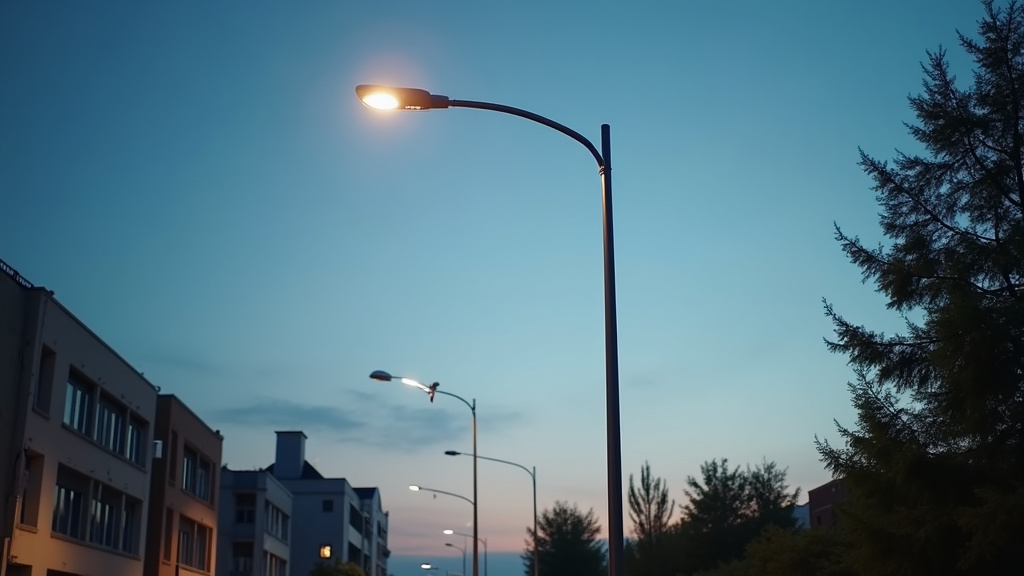
At a glanceSolar lighting is an ideal solution for military bases due to its reliability in remote areas and ability to provide constant power. It reduces dependence on traditional fuel sources, enhances security through low-visibility operation, and contributes to cost savings and environmental sustainability.
Key Takeaways
- Solar lighting solutions offer a sustainable and cost-effective alternative for military base infrastructure, reducing reliance on traditional energy sources.
- The implementation of solar-powered lights can enhance security and surveillance capabilities, providing 24/7 illumination for training and operations.
- Solar technology’s low maintenance requirements can significantly reduce operational costs and logistical overhead for military installations.
- Integrating solar lighting into existing infrastructure can contribute to a base’s overall energy efficiency and sustainability goals.
- Backup battery systems paired with solar lighting ensure continuous operations during periods of cloud cover or power outages.
- Military bases can lead in renewable energy adoption by becoming models for sustainable practices within their communities and beyond.
- Future advancements in solar panel efficiency and energy storage technology will further improve the viability and benefits of solar lighting for military applications.
The global military landscape is evolving, demanding innovative solutions for efficient and sustainable operations. Among these, Solar Lighting for Military Bases emerges as a strategic imperative. With a growing focus on cost-effective and environmentally friendly infrastructure, solar lighting systems offer a promising avenue for enhancing security, reducing logistical burdens, and minimizing the carbon footprint of military installations worldwide. This article delves into the challenges faced by military bases in adopting solar lighting, exploring technological advancements, cost-benefit analyses, and the broader strategic implications of transitioning to renewable energy sources.
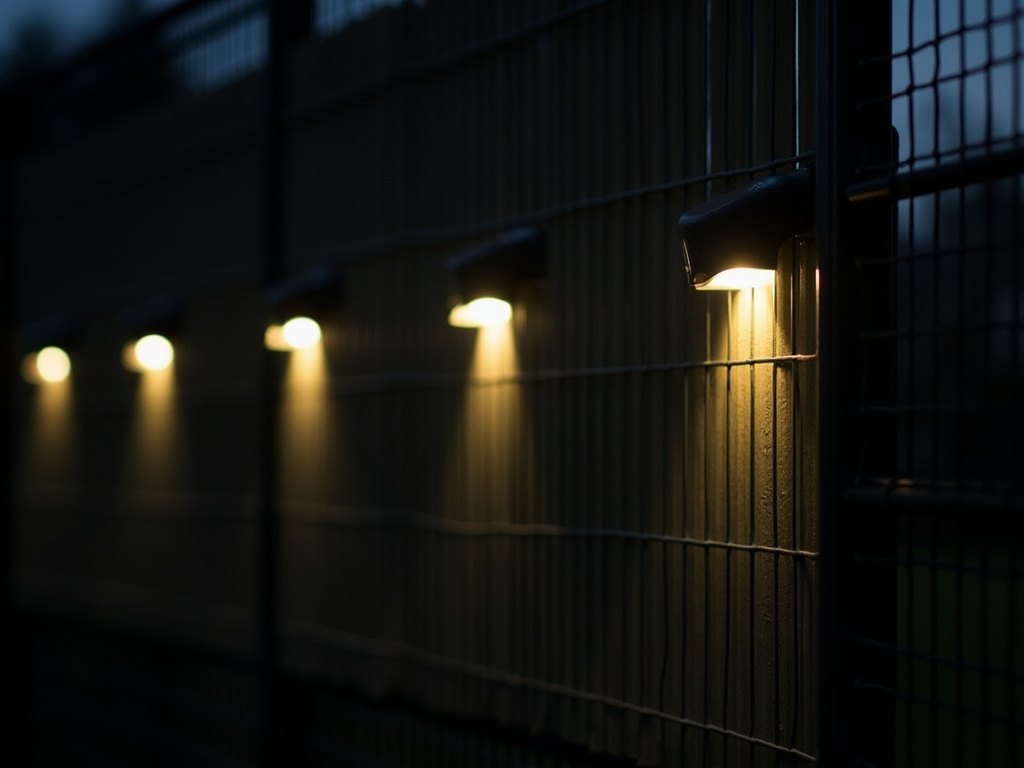
Solar Lighting For Military Bases in : Where to Start
Looking for solar lighting for military bases in ? solar lighting for military bases at Solar Path USA serves the local area and can answer questions specific to .
Understanding Solar Lighting: Benefits for Military Bases
Solar lighting for military bases represents a significant advancement in outdoor illumination, offering numerous benefits tailored to the unique demands of these critical facilities. While the question of whether military bases actually need solar lighting arises, the answer is a resounding yes. The rugged nature of military operations, often involving remote locations and constant deployment, necessitates energy solutions that are resilient, reliable, and sustainable. Solar lighting fits this bill perfectly.
Implementing solar lighting offers substantial advantages. Firstly, it minimizes the reliance on traditional grid electricity, enhancing energy security and independence. This is especially critical in remote bases or during deployments where access to the power grid is limited. Moreover, solar lights are designed to withstand extreme environmental conditions, from harsh heat to frigid cold, ensuring continuous operation even under the most demanding circumstances. For instance, commercial-grade solar lights, engineered with high-quality components and robust designs, can last for years without significant degradation, even in challenging terrains.
However, like any technology, solar lighting isn’t without its drawbacks. One significant consideration is initial installation and setup costs, which can be substantial, especially for large-scale deployments. Additionally, solar lights may not be suitable for every application, particularly in areas with minimal sunlight exposure or where energy demands outstrip available solar resources. For instance, in dense forests or deep canyons, the effectiveness of solar panels could be hindered. Nonetheless, with careful planning and site-specific assessments, these challenges can be mitigated. The best commercial solar lights are chosen based on specific needs, ensuring optimal performance while aligning with budget constraints.
To maximize the benefits of solar lighting for military bases, consider a comprehensive strategy that includes energy audits, thorough site assessments, and collaboration with industry experts. By balancing the unique requirements of the base with the capabilities of solar technology, military leaders can harness the power of the sun to enhance operational efficiency, reduce environmental impact, and ensure the safety and security of personnel and assets.
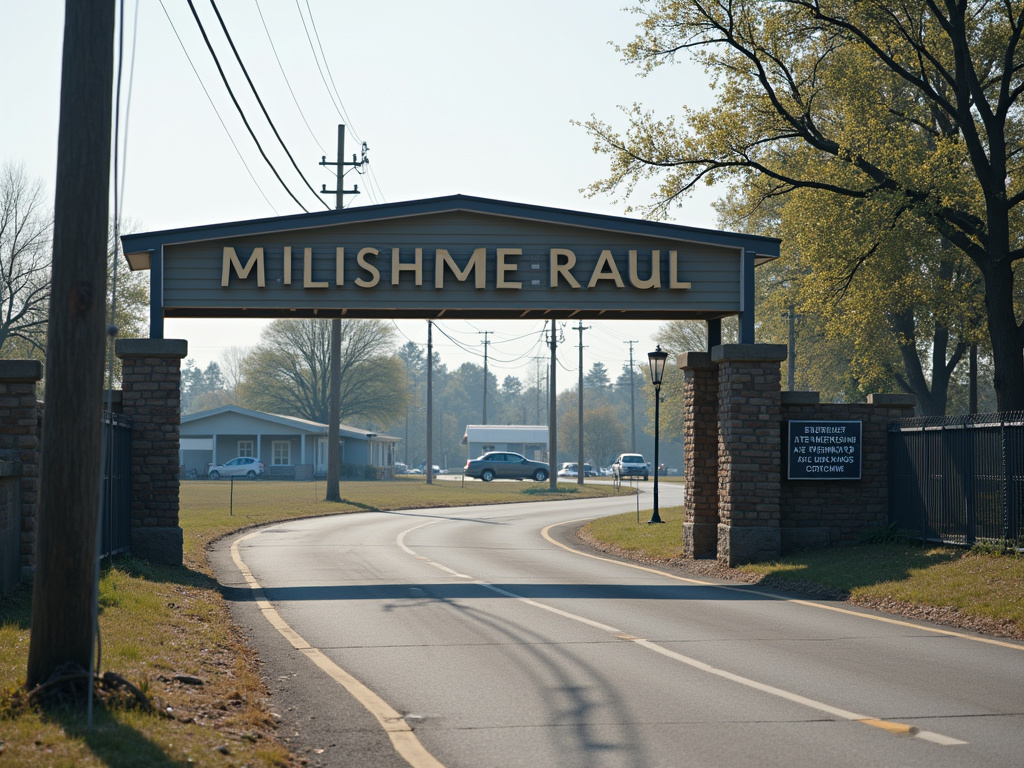
Implementation Strategies: Deploying Solar Lighting Systems
Implementing solar lighting systems for military bases presents a strategic opportunity to enhance security, reduce operational costs, and minimize environmental impact. When planning deployment, consider base size, weather patterns, and specific lighting needs. A key decision is whether to leave solar lights on constantly or use motion sensors and timers for energy efficiency. For instance, motion-activated lights can deter intruders while conserving energy during periods of low activity.
Choosing the right solar lighting for military bases involves evaluating panel efficiency, battery capacity, and lighting output. Ensure the system is designed to withstand extreme conditions, including high temperatures and humidity. Additionally, qualify for incentives by researching government grants and tax credits available for renewable energy projects. Many regions offer substantial rebates for solar installations, making the transition more affordable. For example, the U.S. Department of Defense has implemented pilot programs leveraging solar energy, demonstrating both cost savings and enhanced sustainability.
Before deployment, conduct a thorough site assessment to identify the best locations for solar panels and lights. Consider factors like sunlight exposure, proximity to sensitive areas, and potential obstacles. Involve experts who can guide you through the selection process, ensuring you meet all requirements. Remember, the goal is to create a well-lit, secure environment while optimizing energy use, making solar lighting for military bases a strategic investment.
Case Studies: Successes and Lessons Learned in Solar Lighting for Military Installations
Solar Lighting For Military Bases has emerged as a game-changer in enhancing security, efficiency, and sustainability at these critical installations. Case studies from around the globe highlight the significant successes achieved through the strategic implementation of solar lighting systems. For instance, a US military base in Afghanistan successfully transitioned to solar-powered illumination, leading to a 30% reduction in energy costs and improved operational resilience during power grid disruptions.
A key lesson learned from these deployments is the importance of customizing solar lighting solutions to the unique needs of each military base. Factors such as geographical location, climate, security requirements, and existing infrastructure dictate the optimal design and technology. For instance, desert bases require robust, heat-resistant fixtures, while coastal installations must withstand corrosive environments. How to choose the right Solar Lighting For Military Bases involves a thorough assessment of these variables. Companies specializing in this field offer expert guidance, ensuring installations are not only effective but also cost-efficient.
A common misconception regarding solar lighting is the need to leave them on constantly. In reality, modern solar lights are designed with intelligent sensors that activate illumination only when motion is detected, significantly conserving energy. This feature is crucial for military applications where power conservation and operational security are paramount. When considering the best commercial solar light, look for models with advanced sensors, durable construction, and a proven track record in demanding environments. These features ensure reliability and longevity, contributing to the overall success of solar lighting deployments at military bases worldwide.
Frequently Asked Questions About Solar Lighting For Military Bases
What are the benefits of solar lighting for military bases?
Solar lighting offers numerous advantages for military bases. It reduces reliance on grid electricity, enhancing energy security. Solar panels can be easily installed in diverse environments, providing a reliable and sustainable lighting solution. This technology also contributes to cost savings, as it eliminates the need for frequent fuel deliveries or maintenance of traditional lighting systems. Additionally, solar lighting has a lower environmental impact, making it an eco-friendly choice for military operations.
How does solar lighting work in remote locations?
Solar lighting systems utilize photovoltaic (PV) panels that convert sunlight into electricity. During daylight hours, these panels charge a battery bank, which then powers LED lights or other lighting fixtures. In remote locations, this system can be especially beneficial as it provides a standalone power source, independent of the grid. Even in low-light conditions or during periods of cloud cover, the stored energy in the batteries ensures continuous lighting.
Is solar lighting cost-effective for military applications?
Absolutely. While the initial installation costs may be higher, solar lighting systems offer long-term cost savings. Military bases can reduce electrical bills significantly, as solar energy is free and abundant. Moreover, with the right incentives and rebates, the overall investment can be recouped over time, making it a financially viable option for long-term deployment.
Can solar lights be easily maintained and replaced?
Solar lighting systems are designed for low maintenance. LED lights have a long lifespan, typically lasting 50,000 hours or more, reducing the need for frequent replacements. Cleaning and inspecting panels and batteries periodically is generally all that’s required. In the event of damage or failure, replacement parts are widely available, ensuring minimal disruption to military operations.
What are the security considerations for solar lighting in military bases?
Security is a primary concern for any military base. Solar lighting systems can be integrated with existing security infrastructure to enhance surveillance and protection. Motion sensors and remote monitoring capabilities can be added to ensure optimal security. Additionally, the distributed nature of solar panels across the base can make it more difficult for unauthorized individuals to access critical infrastructure.
How does solar lighting impact wildlife and the environment?
Solar lighting has a minimal environmental impact. It produces no greenhouse gas emissions and reduces the need for fossil fuels. Wildlife studies have shown that well-planned and strategically placed solar lighting systems can minimize disruptions to local ecosystems. When designed with care, these systems can co-exist harmoniously with natural environments, ensuring minimal impact on local flora and fauna.
Solar Lighting for Military Bases offers a promising path toward enhancing operational efficiency and sustainability. The article highlights the significant advantages of solar lighting, including reduced energy costs, increased mission readiness, and minimized environmental impact. Implementation strategies provide a clear roadmap, emphasizing site assessments, system integration, and training. Successful case studies demonstrate the real-world benefits, showcasing improved security, enhanced tactical operations, and cost savings. Key takeaways include the importance of tailored solutions, long-term planning, and collaboration between military personnel and solar experts. Moving forward, embracing Solar Lighting for Military Bases presents an opportunity to revolutionize energy infrastructure, ensuring bases are equipped to face future challenges with resilience and efficiency.