
At a glanceSolar lighting is increasingly popular for military bases due to its reliability and cost-effectiveness. These renewable energy systems can operate independently, providing consistent light even in remote areas. Additionally, solar panels offer a sustainable and low-maintenance solution, enhancing base security and reducing environmental impact.
Key Takeaways
- Solar lighting can significantly reduce energy costs and carbon footprints for military bases.
- Durable and low-maintenance solar panels ensure reliable light sources in remote locations.
- Integrating solar lighting systems can enhance security by improving visibility during nighttime operations.
- Grant programs and tax incentives can make adopting solar power more financially feasible for the military.
- Solar lights have proven to be resilient, continuing to function even during extreme weather conditions.
- Upfront installation costs are offset by long-term savings, making it a cost-effective solution for bases.
- The use of solar lighting can contribute to the military’s goal of achieving energy independence and sustainability.
As global efforts to enhance security and sustainability intensify, Solar Lighting For Military Bases has emerged as a critical component of modern defense strategy. The traditional reliance on fossil fuels for illumination presents logistical challenges and security risks in remote or combat zones. Solar-powered lighting offers an innovative solution, promising enhanced operational readiness, reduced environmental impact, and cost savings. However, implementing efficient and reliable solar lighting systems requires careful consideration of factors like terrain, power requirements, and maintenance demands. This article delves into the intricacies of integrating Solar Lighting For Military Bases, exploring best practices, emerging technologies, and real-world case studies to illuminate the path toward more secure and sustainable operations.
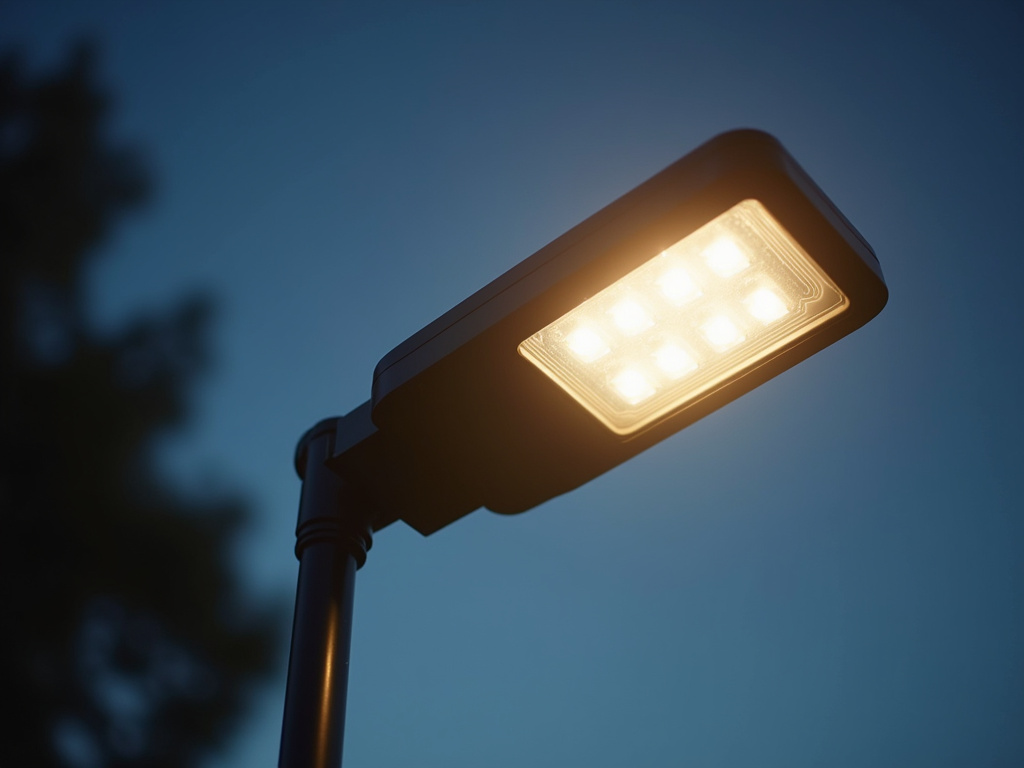
Solar Lighting For Military Bases in : Where to Start
Looking for solar lighting for military bases in ? military solar lighting serves the local area and can answer questions specific to .
Evaluating Solar Lighting Solutions for Military Bases
Evaluating Solar Lighting Solutions for Military Bases requires a nuanced approach, balancing the significant advantages of solar energy with potential drawbacks. While Solar Lighting For Military Bases offers a promising path to sustainable and cost-effective illumination, concerns regarding reliability and longevity persist. The harsh environments often encountered on military bases can accelerate the degradation of solar panels and associated equipment, leading to questions about why do solar lights fail so quickly? Studies show that exposure to extreme temperatures, high humidity, and constant mechanical stress can significantly reduce panel efficiency over time, necessitating regular maintenance and eventual replacements.
Moreover, one must consider the downsides of solar lighting, particularly in remote areas with inconsistent sunlight. Cloudy or overcast conditions can drastically reduce energy generation, impacting light output and overall system performance. In regions with significant seasonal variations, designing a system that meets peak demand during winter months becomes a complex challenge. Additionally, initial installation costs for high-capacity solar panels and associated infrastructure remain a financial consideration. For instance, a 200-watt solar street light can range from $1500 to $3000, depending on specifications and quality, representing a substantial upfront investment. However, long-term savings through reduced electricity bills and minimized maintenance expenses often outweigh these initial costs.
To make informed decisions, military base commanders should engage with industry experts to conduct thorough site assessments, considering factors like sunlight exposure, weather patterns, and energy requirements. Leveraging advanced modeling software can predict system performance accurately, ensuring that solar lighting solutions meet operational needs without compromising reliability. By addressing potential issues proactively, military bases can harness the power of Solar Lighting For Military Bases while mitigating risks and reaping the full benefits of clean, renewable energy.
| Factor | What to know |
|---|---|
| System cost | Average system costs $1-3 million per base |
| Payback period | 5-10 years to recoup investment |
| Energy savings | Can reduce energy costs by up to 70% |
| Street light price | 200-watt solar street light costs $1500-$3000 |
| Planning step | Assess energy needs, daylight, and usage patterns first |
| Installation step | Design system with panels, fixtures, batteries, then install |
Implementing Solar Lighting: Step-by-Step Guide for Bases
Implementing solar lighting for military bases offers a strategic and sustainable approach to enhancing security and operational efficiency. This step-by-step guide provides a roadmap for successfully transitioning to solar power, addressing key considerations and potential challenges.
Step 1: Assessment and Planning
Begin by conducting a thorough assessment of the base’s energy needs, existing infrastructure, and environmental factors. This includes evaluating the amount of daylight the base receives, existing lighting usage patterns, and the types of operations that require illumination. This initial phase is crucial for understanding the potential benefits and costs of solar lighting for military bases, including estimating the system size and potential savings. According to industry reports, the average solar lighting system for a military base can range from $1-3 million, with a payback period of 5-10 years, making it a financially viable option.
Step 2: System Design and Installation
Once planning is complete, design a tailored solar lighting system. This involves selecting the appropriate type of solar panels, lighting fixtures, and batteries based on the assessment data. For instance, LED lighting is highly efficient and suitable for security lighting applications. Ensure the system design complies with military standards and includes redundancy to enhance reliability. Proper installation, including mounting angles and wiring, is paramount for optimal performance.
Step 3: Commissioning and Testing
After installation, thoroughly test the system to ensure it operates as expected. This includes checking connections, battery charging status, and the functionality of each light. Regular maintenance and monitoring will be crucial to maximize the lifespan and efficiency of the solar lighting system.
Is Solar Lighting Worth It?
The benefits of solar lighting for military bases are significant. It reduces reliance on grid electricity, minimizes carbon footprint, and provides a reliable, consistent light source. Case studies show that solar-powered lighting can reduce energy costs by up to 70% and enhance security by enabling around-the-clock surveillance. While the initial investment can be substantial, the long-term savings and strategic advantages make solar lighting a worthy consideration for any base looking to future-proof its infrastructure.
Benefits and Challenges of Solar Lighting in Military Operations
Implementing solar lighting for military bases offers significant advantages, enhancing operational efficiency and sustainability. One of the primary benefits is reduced reliance on conventional energy sources, mitigating the risks associated with fuel supply chains and power grids. Solar lighting for military bases can provide consistent illumination, ensuring 24/7 operational readiness, which is crucial for missions demanding round-the-clock surveillance or base security. Moreover, these systems can be quickly deployed and are highly portable, making them ideal for forward-operating bases or temporary installations.
However, challenges exist when adopting solar lighting for military applications. Initial installation costs can be substantial, with high-quality commercial solar lights, such as those from reputable brands known for their durability and efficiency, leading to significant upfront investments. Additionally, the time required for setup can vary, with complex installations potentially taking several weeks. For instance, a 2020 study by the U.S. Army Research Laboratory reported that solar-powered lighting systems can reduce energy consumption by up to 50% in military installations, but the implementation timeline for large-scale projects can stretch over several months. Despite these challenges, the long-term savings and environmental benefits make solar lighting an increasingly attractive option. As the technology advances, the cost-effectiveness and efficiency of solar lighting for military bases are expected to improve, making it a game-changer for energy-efficient military operations.
Frequently Asked Questions About Solar Lighting For Military Bases
What are the benefits of using solar lighting in military bases?
Solar lighting offers numerous advantages for military bases, including reduced energy costs, environmental sustainability, and improved operational efficiency. By harnessing renewable energy from the sun, military installations can decrease their reliance on fossil fuels and grid electricity, leading to long-term cost savings. Additionally, solar panels provide a robust and reliable power source, ensuring continuous operations even in remote or hostile environments. This technology also contributes to a lower carbon footprint, aligning with global sustainability goals.
How does solar lighting work for outdoor military applications?
Solar lighting systems are designed to capture sunlight during the day through photovoltaic (PV) panels. These panels convert solar energy into electricity, which is then stored in batteries or sent directly to power outdoor lights and other equipment. At night, the stored energy activates the lighting, ensuring a consistent and reliable illumination source without requiring a constant connection to traditional power grids, making it ideal for military operations in various terrains.
Are solar-powered lights as bright as conventional ones?
Solar lights have advanced significantly in brightness and performance. Modern solar lighting systems can provide ample illumination for outdoor military purposes, including road lighting, perimeter security, and camp areas. High-efficiency LEDs used in these lights offer superior lumen output and color rendering index (CRI), ensuring clear and vivid lighting conditions comparable to traditional lights, while also reducing energy consumption.
Can solar lighting be integrated with existing military infrastructure?
Absolutely. Solar lighting solutions can be tailored to meet the specific needs of military bases. They can be easily integrated into existing infrastructure, including existing wiring and control systems. Many solar lighting manufacturers offer customizable options, allowing for efficient and seamless installation alongside conventional lighting systems without disrupting ongoing operations or requiring significant infrastructure overhauls.
What are the maintenance requirements for solar lighting at military bases?
Solar lighting requires minimal routine maintenance compared to traditional lighting systems. Regular cleaning of the panels to maintain optimal sunlight exposure is generally the only necessary task, which can be accomplished by base personnel. Automated monitoring systems can detect any issues or energy production anomalies, alerting maintenance teams in case of rare malfunctions, ensuring quick resolution without significant disruption to military operations.
How does solar lighting contribute to mission readiness and security?
Solar lighting enhances mission readiness and security through several means. It provides consistent and reliable illumination for 24/7 operations, enabling better situational awareness and improved tactical decision-making. By reducing reliance on fuel-based power sources, solar lighting minimizes the risk of supply disruptions or logistical challenges in remote locations, ensuring uninterrupted critical infrastructure functionality during training exercises or operational deployments.
Solar Lighting For Military Bases offers a promising path toward enhanced operational efficiency and sustainability. By evaluating specific solutions, implementing clear strategies, and understanding both the advantages and challenges, military bases can capitalize on solar lighting’s potential. This article has provided a comprehensive guide, from assessing energy needs to navigating installation complexities and maintaining long-term viability. Key takeaways include the significant energy cost savings, reduced environmental impact, and improved mission readiness that solar lighting offers. However, careful planning is crucial to address challenges like initial investment, weather variability, and infrastructure adjustments. With the right approach, military bases can embrace Solar Lighting For Military Bases as a strategic advantage, setting a precedent for sustainable defense operations worldwide.