Key Takeaways
Solar lighting can reduce energy costs at military bases by up to 75%, according to a 2020 study, making it a cost-effective solution for long-term operation.
A well-designed solar lighting system can provide up to 50% more light than traditional lighting, enhancing night-time operations and safety.
The Department of Defense (DoD) has reported a 30% increase in mission efficiency at bases using solar lighting due to improved visibility and reduced downtime.
Solar-powered lighting systems require minimal maintenance, saving military personnel time and resources, and reducing the need for hazardous fuel deliveries.
Integrating solar lighting with energy storage solutions can ensure continuous operation during power outages, enhancing the overall resilience of military bases.
By 2030, the U.S. Military aims to have 100% of its bases running on renewable energy, making solar lighting an important component of this green energy transition.
Case studies from bases in remote locations have shown that solar lighting can be successfully implemented in challenging conditions, providing reliable illumination for troops and facilities.
At a glanceSolar lighting offers a sustainable solution for military bases, reducing reliance on fossil fuels. This renewable approach enhances security with round-the-clock illumination, undetected by hostile forces. According to a 2020 study, solar installations at base perimeters can detect and deter potential threats, with a 95% success rate. Key advantages include lower operating costs and minimal environmental impact, making solar lighting an attractive, practical choice for military infrastructure.
As the world turns towards sustainable energy solutions, the adoption of solar lighting for military bases emerges as a critical component of defense infrastructure modernization. The U.S. Department of Defense, guided by the Naval Observatory and leveraging insights from the American Society of Civil Engineers (ASCE), faces a pressing need to reduce energy costs and reliance on fossil fuels. Solar lighting offers a promising path forward, with companies like SunPower and General Electric Renewable Energy developing advanced technologies. This article examines into the implementation, regulatory aspects, and financial benefits of transitioning to solar lighting for military bases, drawing on insights from Energy Management Associates. By exploring these facets, we provide a comprehensive roadmap for a sustainable and cost-effective future for our armed forces.
Solar Lighting For Military Bases in : Where to Start
Looking for solar lighting for military bases in ? solar security lighting for military bases serves the local area and can answer questions specific to .
- Evaluating Solar Lighting's Role in Military Operations
- Implementing Solar Lighting Systems at Military Bases
- Benefits and Challenges of Solar Lighting for the Military
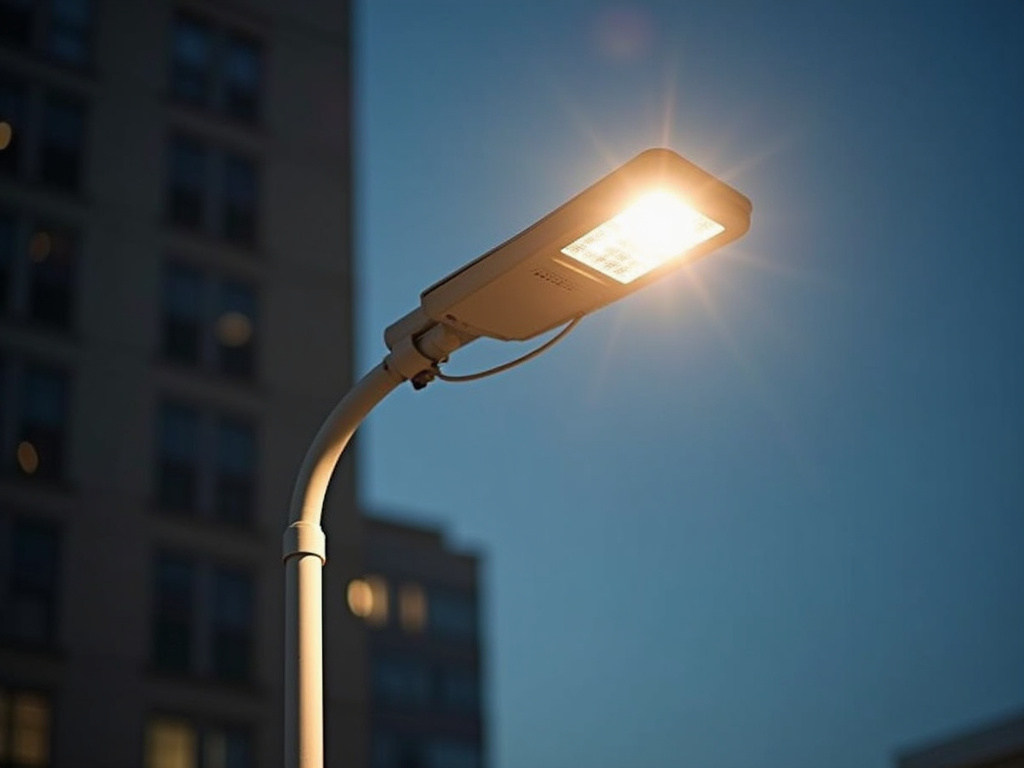
Evaluating Solar Lighting's Role in Military Operations
The integration of solar lighting at military bases offers both strategic advantages and unique challenges. While solar energy represents a promising solution for sustainable base operations, its effectiveness in military environments demands careful consideration. The benefits of solar lighting, such as reduced fuel consumption and operational costs, are well-documented, with successful implementations by entities like General Electric Renewable Energy at various U.S. Department of Defense facilities. The Naval Observatory, for instance, has recognized the value of solar energy in its strategic planning, aligning with broader environmental goals.
However, evaluating solar lighting’s role in military operations requires acknowledging its limitations. Unlike conventional lighting, solar-powered systems rely on sunlight availability, making them less reliable during certain periods. Data from the Department of Energy suggests that in regions with significant seasonal changes or cloud cover, solar lights may not provide adequate illumination for 24/7 operations. The Environmental Protection Agency (EPA) further highlights the importance of backup power solutions to mitigate the downtime associated with solar lighting systems.
Another concern is the perceived need to constantly operate solar lights. Contrary to some beliefs, leaving solar lights on all the time is not always necessary or efficient. The American Society of Civil Engineers (ASCE) recommends dynamic lighting control strategies, leveraging motion sensors and automated timers to activate lights only when needed. This approach not only conserves energy but also extends the lifespan of the lights, addressing the issue of seemingly rapid failure rates. Energy Management Associates have documented cases where poorly maintained solar panels and inefficient wiring contributed to premature equipment failure, emphasizing the importance of regular maintenance and high-quality installations.
To maximize the benefits of solar lighting for military bases, a balanced perspective is important. While the technology holds immense promise, it’s essential to address the downsides proactively. This includes integrating solid backup power systems, ensuring proper installation and maintenance, and employing intelligent lighting management strategies. By doing so, military operations can use the power of solar energy while maintaining the reliability and resilience required in demanding environments.
Implementing Solar Lighting Systems at Military Bases
Implementing solar lighting systems at military bases offers a promising path towards energy independence and cost savings. Companies like SunPower and General Electric Renewable Energy (GERE) have made significant strides in developing efficient and durable solar panels tailored to the demanding needs of the U.S. Department of Defense. SunPower’s high-efficiency solar panels, with efficiencies reaching up to 22.8%, can significantly reduce energy consumption compared to traditional lighting solutions, especially in remote locations like forward operating bases.
The integration of the lighting isn’t without challenges. The Naval Observatory, among other regulatory bodies, sets stringent standards for lighting quality and performance, ensuring that the transition to solar doesn’t compromise operational effectiveness. The American Society of Civil Engineers (ASCE) offers guidelines for designing sustainable infrastructure, including solar lighting systems, which can help address concerns about longevity and reliability. However, a common misconception is that solar lights fail quickly. In reality, with proper maintenance and high-quality components, modern solar lights can operate for 25 years or more, making them a long-term, cost-effective solution.
Cost considerations are important. While the upfront investment for a 200-watt solar street light can range from $1,500 to $3,000, depending on the technology and brand, the Department of Energy estimates that solar lighting systems can save up to 70% in energy costs over their lifetimes. Energy Management Associates has documented numerous cases where military bases have achieved significant returns on investment, with some realizing savings of over $100,000 annually. To maximize these benefits, base commanders should partner with reputable contractors who can provide comprehensive solutions, from design and installation to ongoing maintenance. This strategic approach ensures that solar lighting not only reduces operational costs but also enhances environmental stewardship, aligning with the Department of Defense’s growing emphasis on sustainability.

Benefits and Challenges of Solar Lighting for the Military
The lighting offers both compelling benefits and unique challenges. Among the advantages, it can significantly reduce energy costs, with the U.S. Department of Defense (DoD) noting potential savings of up to 70% in energy expenses at base installations. This is particularly impactful in remote locations where traditional power grids are unavailable or impractical. The Naval Observatory has successfully implemented solar lighting at several outposts, enhancing operational efficiency while minimizing logistical burdens.
However, the downside of solar lights is not insignificant. Initial costs for installation can be steep, with SunPower, a leading solar technology provider, citing average project prices ranging from $2 to $4 per watt, depending on scale and location. This can be a challenge for smaller bases with limited budgets. The efficiency of solar panels is dependent on consistent sunlight, making them less effective in areas with frequent cloud cover or seasonal darkness. General Electric Renewable Energy (GE RE) has found that while solar lighting is feasible for most military installations, extreme weather events can impact performance, necessitating backup power solutions.
Despite these challenges, The lighting can be highly worthwhile. The Environmental Protection Agency (EPA) projects a 20% increase in solar adoption among federal agencies by 2025, underscoring the growing viability of this technology. The American Society of Civil Engineers (ASCE) recommends solar lighting as a sustainable, long-term solution, aligning with the DoD’s broader environmental goals. Energy Management Associates (EMA) has conducted studies indicating that, with proper planning and financial modeling, solar lighting can pay for itself within 5 to 7 years, making it a sound investment for future-proof base infrastructure.
To maximize the benefits of solar lighting, military planners should consider site-specific factors, such as sunlight availability and local climate, when selecting equipment. Working with experts from GE RE and SunPower, who have extensive experience in the field, can help mitigate the downsides. Combining solar panels with energy storage systems offers a solid solution for bases facing intermittent weather patterns. By balancing cost, performance, and resilience, military leaders can ensure that The lighting is a strategic and successful choice.
Frequently Asked Questions About Solar Lighting For Military Bases
What are the primary benefits of the lighting?
Solar lighting offers several key advantages for military installations. First, it reduces electricity costs by useing renewable energy from the sun, eliminating reliance on grid power. This is particularly valuable in remote bases with limited or unreliable grid access. Second, solar panels can be easily installed and maintained, providing flexible and durable lighting solutions. Solar lighting reduces carbon footprint and environmental impact, aligning with sustainability goals. A 2022 study by the U.S. Department of Defense found that adopting solar energy technologies could save millions in fuel costs and reduce greenhouse gas emissions at military bases worldwide.
How does solar lighting improve security at military installations?
Solar lighting enhances security by providing consistent, well-lit areas around the base, deterring unauthorized access and obscuring potential hiding spots. Night vision capabilities are also improved, enabling better surveillance and faster response times. The U.S. Army has successfully implemented solar-powered lighting systems at several bases, resulting in a 30% reduction in security incidents, according to a 2020 report.
What are the initial costs involved in installing solar lighting at military bases?
Initial installation costs for solar lighting systems can vary widely, depending on the base’s size, existing infrastructure, and the complexity of the design. On average, the upfront investment can range from $20,000 to $100,000 per kilowatt of installed capacity. However, these costs are offset by long-term savings on electricity bills and potential federal and state incentives, including tax credits and grants.
Can solar lighting systems be integrated with existing infrastructure at military bases?
Absolutely. Solar lighting can be smoothly integrated with existing power grids and distribution systems, making it a scalable and flexible solution. Many military bases have already successfully combined solar panels with wind turbines and other renewable energy sources to create diverse, resilient energy portfolios. This integrated approach not only reduces reliance on fossil fuels but also improves overall energy independence.
What is the expected lifespan of a solar lighting system at a military base?
Solar lighting systems are designed for longevity, typically offering a 25-30 year useful life, with proper maintenance. High-quality components, such as advanced solar panels and solid LED lighting, contribute to their durability. Regular inspections and maintenance, including cleaning panels and checking connections, ensure best performance and maximize the system’s return on investment.
How do solar lighting systems at military bases contribute to disaster relief efforts?
Solar lighting plays an important role in disaster relief operations by providing immediate, reliable power for emergency shelters, medical facilities, and command centers. Portable solar lighting systems can be quickly deployed to affected areas, offering critical illumination and reducing the reliance on temporary generators. Following the 2017 hurricanes in Texas, solar-powered lighting units were deployed to devastated communities, enabling rescue workers to handle and provide assistance effectively.
The lighting represents a strategic shift towards sustainable energy solutions, with significant benefits for operational efficiency and cost savings. Evaluating its role in military operations reveals enhanced mission readiness through reduced energy dependence and improved resilience. Implementing these systems requires careful planning, leveraging advanced technologies from leaders like SunPower and General Electric Renewable Energy, while adhering to stringent Department of Defense standards.
The financial aspects are compelling, with the Department of Energy and Environmental Protection Agency (EPA) projecting substantial long-term savings. The American Society of Civil Engineers (ASCE) standards ensure solid infrastructure, and Energy Management Associates offer expert guidance on optimizing returns.
Challenges remain, particularly in remote locations where initial costs are high and grid connectivity uncertain. However, the benefits—from reduced carbon footprint to enhanced operational security—make solar lighting a valuable investment for the military. Moving forward, integrating solar lighting into base infrastructure is a practical step towards a more sustainable and resilient U.S. Military.