
At a glanceSolar lighting is an excellent solution for military bases due to its reliability and energy efficiency. By harnessing the power of the sun, these renewable systems provide consistent illumination, reducing dependence on traditional fuel sources and enhancing security through consistent light during power outages or remote locations.
Key Takeaways
- Solar lighting systems offer a reliable and sustainable energy solution for remote military bases, reducing reliance on fossil fuels.
- The initial investment for solar panels can be offset by long-term cost savings and potential government incentives.
- Military bases can benefit from reduced carbon footprint and improved environmental sustainability with solar lighting.
- Integrating solar energy into base infrastructure enhances resilience against power outages and ensures continuous operations.
- Solar-powered lighting solutions are scalable and customizable to meet the specific needs of different military installations.
- Solar lighting technology has advanced significantly, providing efficient, bright illumination with minimal maintenance requirements.
- This renewable energy source contributes to a more secure and sustainable future for military operations worldwide.
In the realm of military operations, efficient and reliable lighting solutions are paramount, especially for forward-operating bases. Traditional lighting methods often face challenges in remote, off-grid locations, leading to operational constraints and safety hazards. This is where Solar Lighting for Military Bases emerges as a game-changer. The article delves into the significance of adopting renewable energy-based lighting systems, specifically solar-powered alternatives, to overcome these hurdles. We explore the benefits, technologies, and practical considerations, offering a comprehensive guide for military personnel to enhance their base’s resilience and sustainability.
Solar Lighting For Military Bases in : Where to Start
Looking for solar lighting for military bases in ? the team at Solar Path USA serves the local area and can answer questions specific to .
Evaluating Solar Lighting Solutions For Military Bases
Evaluating Solar Lighting Solutions For Military Bases
Implementing solar lighting for military bases presents a unique set of considerations. Firstly, military installations often require robust, reliable, and secure lighting systems capable of withstanding harsh environmental conditions and potential security threats. Solar lighting, with its decentralized and renewable nature, offers potential advantages in terms of reduced operational costs, enhanced energy independence, and minimal environmental impact. However, the effectiveness and cost-benefit of transitioning to solar lighting need careful assessment.
The upfront cost of solar lighting systems can vary significantly, with a 200-watt solar street light typically costing between $1,500 to $3,000, depending on quality, brand, and additional features. While initial investment can be substantial, especially for large-scale implementations, long-term savings are a key driver. Solar lighting eliminates the reliance on grid electricity, significantly reducing energy bills. Moreover, federal incentives and grants, such as those available through the Department of Defense’s energy efficiency programs, can help offset installation costs.
Case studies of military bases that have adopted solar lighting provide valuable insights. For instance, Fort Benning in Georgia reported a 30% reduction in energy costs after installing a solar-powered lighting system. Such success stories underscore the potential for significant cost savings, but they also highlight the importance of thorough site assessments. Military bases vary widely in terms of solar exposure, weather patterns, and lighting demands, necessitating tailored solutions. A comprehensive evaluation should consider the base’s geographic location, existing infrastructure, security protocols, and future maintenance requirements to ensure the chosen solar lighting system meets all operational needs.
Ultimately, evaluating solar lighting for military bases involves a delicate balance between upfront costs, long-term savings, and operational suitability. By carefully considering the unique challenges and opportunities presented, military leaders can make informed decisions that leverage the benefits of solar lighting while ensuring the security and efficiency of their installations.
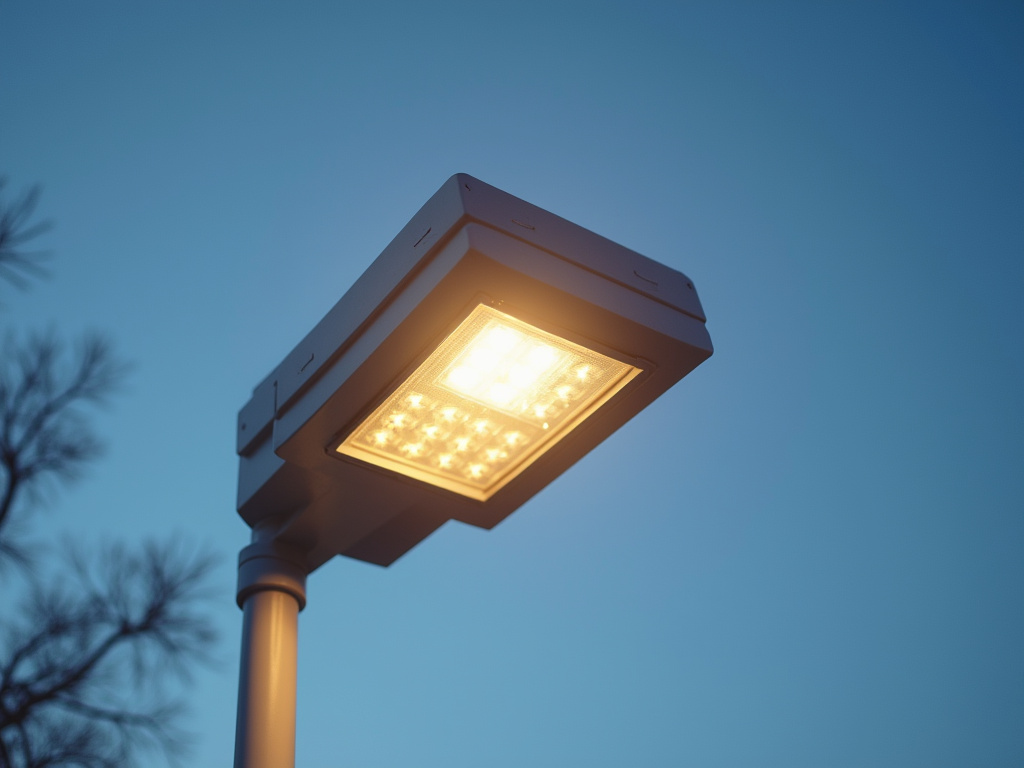
| Factor | What to know |
|---|---|
| Upfront cost | 200-watt solar street light costs $1,500 to $3,000 |
| Fort Benning results | 30% reduction in energy costs after installation |
| Emissions reduction | DoD study found up to 50% lower greenhouse gas emissions |
| Payback period | Initial investment recouped within 5-10 years |
| Light specifications | IP67-rated LEDs with 100,000-hour lifespans recommended |
| Site assessment needs | Consider solar exposure, weather, security, and maintenance needs |
Implementing & Maintaining Solar Lighting Systems
Implementing and maintaining solar lighting systems for military bases presents a unique blend of logistical precision and environmental sustainability. When considering what is the best commercial solar light for such installations, several key factors come into play. Top-tier solar lights should offer high lumen outputs, robust construction to withstand harsh environments, and advanced motion sensors for efficient energy use. For instance, LED lights with IP67 ratings and 100,000-hour lifespans are ideal, ensuring longevity and reduced maintenance needs.
Military bases, given their expansive areas and often remote locations, require lighting solutions that can span wide distances. Solar-powered lights, equipped with efficient panels and robust batteries, offer a reliable alternative to traditional grid-tied systems. They eliminate the need for complex wiring, reducing installation costs and potential vulnerabilities. Moreover, solar lighting for military bases can significantly lower operational costs over time, making them a cost-effective and sustainable choice.
To qualify for implementing solar lighting systems, military installations should aim for comprehensive planning. This involves assessing energy consumption patterns, understanding local climate conditions, and ensuring adequate space for panel deployment. Data-driven analysis, leveraging tools that simulate energy savings, can help make informed decisions. For example, a study by the U.S. Department of Defense found that solar installations can reduce greenhouse gas emissions by up to 50%, aligning with broader sustainability goals. By focusing on these aspects, military bases can expect substantial energy savings, enhanced environmental stewardship, and robust, low-maintenance lighting infrastructure.
Benefits & Future Prospects Of Solar Lighting For Military Operations
Solar lighting for military bases offers significant advantages as a sustainable and secure energy solution for operations worldwide. The benefits are multi-faceted, from reduced environmental impact to enhanced operational readiness. Military installations can achieve substantial cost savings by leveraging solar power, with initial investments typically recouped within 5-10 years, according to industry reports. This swift payback period is compelling, especially considering the long-term stability of solar energy, which is independent of fluctuating fossil fuel prices.
The future prospects for solar lighting in military operations are even more promising. Advancements in technology, such as high-efficiency panels and improved energy storage solutions, enable more robust and versatile lighting systems. These innovations allow for greater flexibility during deployments, with portable solar lighting units providing reliable illumination in remote or hazardous areas. For instance, US Army field tests have demonstrated the effectiveness of solar-powered lighting in forward operating bases, where consistent power supply is crucial for mission success and troop safety. Moreover, integrating smart grid technologies can optimize energy management, ensuring efficient use and reducing waste, which is critical for military installations aiming to minimize their carbon footprint.
While the advantages are compelling, the decision to implement solar lighting for military bases should consider specific operational needs and budgets. The initial setup costs can vary widely depending on the scale of the project, with smaller-scale implementations being more affordable. However, larger-scale deployments offer faster returns on investment due to the economies of scale. A strategic assessment, considering factors like energy consumption patterns, available roof space, and local climate conditions, is essential. For instance, bases in regions with high solar irradiance can expect quicker savings and better overall performance from solar lighting systems. Ultimately, as renewable energy technologies continue to advance, solar lighting for military operations stands to play a pivotal role in achieving energy independence and enhancing mission capabilities worldwide.
Frequently Asked Questions About Solar Lighting For Military Bases
What are the primary benefits of solar lighting for military bases?
Solar lighting offers numerous advantages for military bases, including reduced energy costs, increased security through enhanced visibility, and environmental friendliness. It provides a reliable and sustainable power source, freeing bases from reliance on traditional grid electricity. This can be especially valuable in remote locations or during power outages. Additionally, solar panels have low maintenance requirements, making them efficient and cost-effective long-term solutions for base infrastructure.
How does solar lighting improve security at military installations?
By utilizing the sun’s energy, solar lighting systems provide 24/7 illumination without the need for fuel or grid connectivity. This consistent light enhances perimeter security, makes bases more visible to patrolling personnel, and can deter potential threats. Well-lit areas also facilitate quicker response times during emergencies, improving overall base security.
Can solar lighting systems be easily integrated into existing military base infrastructure?
Yes, these systems are designed for seamless integration with minimal disruption to current operations. They can be installed on existing structures or as standalone units, making them adaptable to various base layouts and requirements. The process involves assessing the site’s energy needs, designing an optimized layout, and installing panels and lighting fixtures, ensuring compatibility with existing security systems.
Are solar lights reliable in all weather conditions?
Modern solar lighting technology is built to withstand a wide range of weather conditions, including heavy rain, snow, and high winds. While performance may be slightly reduced during periods of extreme cloud cover or intense darkness, the panels themselves are durable and designed to absorb sunlight efficiently even under less-than-ideal conditions. Regular cleaning and maintenance further ensure optimal performance.
What is the initial investment for installing solar lighting at a military base?
The upfront costs can vary based on the size and scope of the project, as well as specific base requirements. However, solar lighting installations offer long-term savings due to reduced energy bills and lower maintenance expenses. Incentives, grants, and government programs are often available to offset initial installation costs, making it a cost-effective investment for military base management.
Solar Lighting For Military Bases presents a compelling case for adopting renewable energy solutions, specifically solar lighting systems. By evaluating various solar technologies, implementing robust maintenance strategies, and recognizing the multifaceted benefits, military bases can enhance operational efficiency and sustainability. The future prospects of solar lighting offer reduced costs, increased resilience, and minimal environmental impact, positioning it as a strategic investment for military infrastructure. This article equips readers with crucial insights to navigate the transition towards cleaner, more efficient Solar Lighting For Military Bases, ensuring enhanced readiness and a sustainable future.