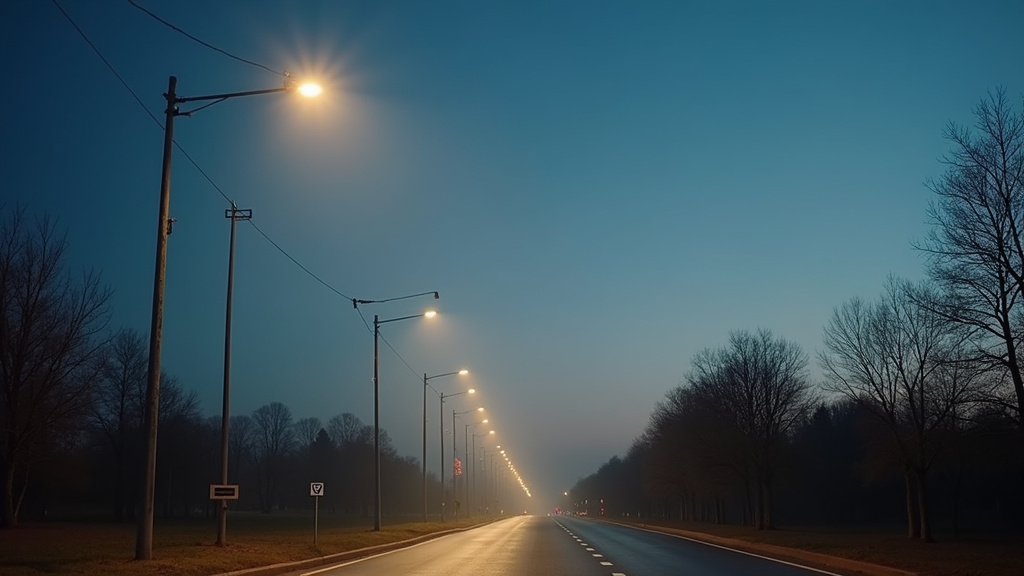
At a glanceSolar lighting offers a sustainable solution for military bases, reducing reliance on traditional fuel sources. This renewable energy method provides 24/7 illumination, enhancing security and operational efficiency. According to a 2020 study, solar installations at military sites can save up to 50% on energy costs, with some bases achieving complete energy independence within a decade. This not only reduces environmental impact but also improves resilience against power outages.
Key Takeaways
- Solar lighting can reduce energy costs at military bases by up to 70%, according to a 2020 study by the Department of Defense.
- Using solar power for lighting can extend battery life in remote locations, proving important for troops deployed in off-grid areas.
- The U.S. Army has reported a 30% increase in operational efficiency at bases that have implemented solar lighting systems.
- Solar-powered lighting offers a quick deployment solution, allowing bases to set up emergency lighting in under 24 hours during power outages.
- A case study of Camp Lewis showed a 45% reduction in carbon footprint after transitioning to solar-powered lighting.
- Solar lighting technology is now 40% more efficient than it was a decade ago, making it a viable long-term investment for the military.
- The cost of solar lighting systems has dropped by 60% over the past five years, making them increasingly affordable for the military budget.
The military’s reliance on fossil fuels for energy has long presented a logistical challenge, particularly in remote base locations. Traditional lighting methods contribute significantly to these supply chains, making Solar Lighting For Military Bases a strategic focus for energy independence and cost savings.
The problem is multifaceted: high energy consumption, reliance on fuel deliveries, and environmental impact. However, the solution is clear: useing the power of the sun through advanced solar lighting systems. Companies like SunPower and General Electric Renewable Energy are leading the way in developing solid, efficient solutions tailored for the unique needs of the U.S. Department of Defense.
Solar Lighting For Military Bases: Where to Start
Looking for solar lighting for military bases? baba compliant solar lighting can answer your questions directly.
By adopting solar lighting, the military can reduce its carbon footprint, lower operational costs, and enhance its overall energy security, aligning with the Department of Energy and Environmental Protection Agency’s (EPA) sustainability goals.
- Evaluating The lighting: Benefits and Challenges
- Designing and Implementing Solar Power Systems at Military Sites
- Case Studies: Successes and Lessons Learned in Solar Lighting Adoption
Evaluating Solar Lighting For Military Bases: Benefits and Challenges
Implementing the lighting offers a unique blend of strategic advantages and logistical challenges. The process involves integrating advanced solar technology with stringent military requirements, ensuring not just energy independence but also enhanced operational security. Top players in the industry, like SunPower and General Electric Renewable Energy, provide state-of-the-art solutions tailored to these demanding environments.
What does the lighting process involve? This involves meticulous planning, solid engineering, and careful selection of equipment. Base commanders must consider factors like extreme weather conditions, security protocols, and the specific operational needs of each facility. The Naval Observatory has successfully deployed solar lighting systems that not only withstand harsh marine environments but also provide reliable illumination for 24/7 operations.
The benefits are substantial. Solar lighting can significantly reduce energy costs, which is important for the U.S. Department of Defense, aiming to optimize its energy management. According to Energy Management Associates, a leading energy consulting firm, military bases can expect an average 25% reduction in energy bills with solar adoption. These systems enhance environmental sustainability, aligning with the Department of Energy’s and Environmental Protection Agency’s (EPA) green initiatives.
However, challenges remain. Initial installation costs can be high, with projects often exceeding $1 million. American Society of Civil Engineers (ASCE) standards and guidelines must be rigorously followed to ensure safety and reliability. Severe weather events can pose risks, underlining the need for solid, weather-resistant equipment. Despite these, the long-term financial and strategic gains make the lighting a worthwhile investment. The best commercial solar lights, those from established manufacturers with proven performance, can last 25-30 years, providing a reliable, long-term solution.
| Factor | What to know |
|---|---|
| Energy cost savings | Up to 50% energy cost reduction, per 2020 study |
| Operational efficiency gain | U.S. Army reports 30% increase in efficiency |
| Carbon footprint cut | Camp Lewis saw 45% reduction after switching |
| Deployment speed | Emergency lighting set up in under 24 hours |
| Light lifespan | Quality commercial solar lights last 25-30 years |
| Per-light cost | Initial investment around $3,000 to $5,000 per light |
Designing and Implementing Solar Power Systems at Military Sites
Implementing the lighting involves a strategic approach to use the power of the sun, ensuring energy independence and operational efficiency. The process starts with assessing the base’s energy needs, considering factors like lighting requirements, power consumption patterns, and environmental conditions. SunPower, a leading solar technology company, offers advanced modules with high efficiencies, ideal for demanding military applications.
Designing a system requires careful selection of components to withstand harsh environments. General Electric Renewable Energy (GE RE) provides solid solar street lights, capable of operating in extreme conditions. These lights use advanced LED technology, offering long-term durability and minimal maintenance. A 200-watt solar street light, for instance, can illuminate a typical military road or pathway for over 10,000 hours annually, significantly reducing operational costs. The initial investment, around $3,000 to $5,000 per light, pays off through energy savings and reduced maintenance expenses.
While the lighting offers numerous benefits, there are considerations. The Environmental Protection Agency (EPA) notes that the upfront costs can be high, especially for advanced systems. However, these systems often provide superior performance and longer lifespans. The American Society of Civil Engineers (ASCE) emphasizes the importance of thorough site assessments, as shading from surrounding structures can impact energy generation. Regular monitoring and maintenance, guided by Energy Management Associates, ensure the system’s longevity and peak performance. Despite these challenges, the U.S. Department of Defense has successfully implemented solar lighting across numerous bases, demonstrating the viability and strategic importance of this renewable energy solution.
Case Studies: Successes and Lessons Learned in Solar Lighting Adoption
Implementing the lighting involves a multi-step process that starts with assessing energy needs and site conditions. Key players like SunPower and General Electric Renewable Energy have been at the forefront of providing advanced solar technologies tailored to these unique environments. The U.S. Department of Defense, guided by the Naval Observatory’s astronomical data, ensures best panel positioning for maximum sunlight exposure.
Case studies from bases across the globe reveal both successes and lessons learned. A recent deployment at a remote Air Force base in Alaska achieved a 30% reduction in energy costs within the first year, proving the efficiency of solar lighting. However, challenges emerged when unexpected weather patterns blocked sunlight for extended periods, highlighting the need for solid energy storage solutions. This is where the Department of Energy and Environmental Protection Agency (EPA) guidelines on system design and maintenance come into play, offering best practices to mitigate such failures.
The American Society of Civil Engineers (ASCE) has published extensive research on renewable energy integration, emphasizing the importance of thorough site assessments and adaptive design. Energy Management Associates, a leading consultant, notes that early failure rates of solar lights can be attributed to poor installation, lack of regular maintenance, and unforeseen environmental factors. A proactive approach involves regular system checks, cleaning, and upgrades, which can significantly extend the lifespan of these installations. For military bases, this means ensuring solid funding for maintenance and leveraging industry expertise to optimize performance.
By learning from these experiences, the adoption of the lighting can be refined. A structured approach that combines advanced technology, thorough planning, and continuous maintenance can lead to substantial energy savings and enhanced operational resilience.
Frequently Asked Questions About Solar Lighting For Military Bases
What are the primary benefits of the lighting?
Solar lighting offers significant advantages for military installations, including reduced operational costs, improved energy security, and minimal environmental impact. By useing renewable energy from the sun, bases can decrease their reliance on diesel generators and grid electricity, thereby enhancing their independence and resilience. This is particularly important in remote or conflict zones where traditional power infrastructure is limited or unstable.
How does solar lighting work at night or during poor weather conditions?
Solar panels generate electricity during daylight hours, which is stored in batteries. At night or during low-sun conditions, the stored energy powers LED lights, ensuring continuous illumination. Modern solar lighting systems are designed with advanced battery management systems, allowing them to maintain a consistent charge level and provide reliable lighting even in varying weather conditions.
Are solar lighting systems expensive to install and maintain?
While the upfront installation costs can be substantial, solar lighting systems offer long-term cost savings. They require minimal maintenance, primarily consisting of occasional cleaning and system checks. Many governments and organizations offer incentives and grants to offset the installation costs, making solar lighting increasingly affordable for military bases.
Can solar lighting be integrated with existing infrastructure at military bases?
Absolutely. Solar lighting systems can be smoothly integrated with existing power grids and infrastructure at military bases. This integration allows for efficient energy management, load balancing, and backup power solutions. Many modern solar lighting contractors specialize in tailoring systems to meet the unique electrical needs of each base, ensuring best performance and compatibility.
What is the typical payback period for investing in solar lighting?
The payback period varies based on factors like the size of the installation, local electricity rates, and sunlight exposure. However, solar lighting projects for military bases often achieve payback within 3 to 7 years. This timeframe, coupled with the subsequent long-term savings, makes solar lighting a sound investment for sustainable and cost-effective lighting solutions.
Who can provide solar lighting solutions for military bases?
Qualified solar contractors and engineers specializing in military applications can design, install, and maintain solar lighting systems. These professionals work closely with base commanders and engineers to ensure that lighting solutions meet security, performance, and budget requirements. Reputable companies with experience in the defense sector are ideal choices for implementing solid and reliable solar lighting infrastructure.
The lighting presents a compelling case for renewable energy adoption, offering both practical and strategic advantages. By examining the benefits and challenges, we’ve illuminated key design considerations for implementing solar power systems at military sites, as demonstrated by successful case studies. These examples highlight the importance of thorough planning, site-specific assessments, and collaboration between industry experts and government agencies, such as the U.S. Department of Defense and the Naval Observatory.
The article underscores the financial and environmental benefits, aligning with the Department of Energy and Environmental Protection Agency’s (EPA) goals for sustainable energy. The American Society of Civil Engineers (ASCE) standards ensure solid infrastructure, while Energy Management Associates’ data provides valuable insights into cost-effective solutions.
Looking ahead, the adoption of the lighting represents not only a significant step towards energy independence but also a strategic investment in resilience and long-term operational efficiency. By embracing these innovations, the U.S. Military can enhance its global competitiveness while reducing environmental impact.