Key Takeaways
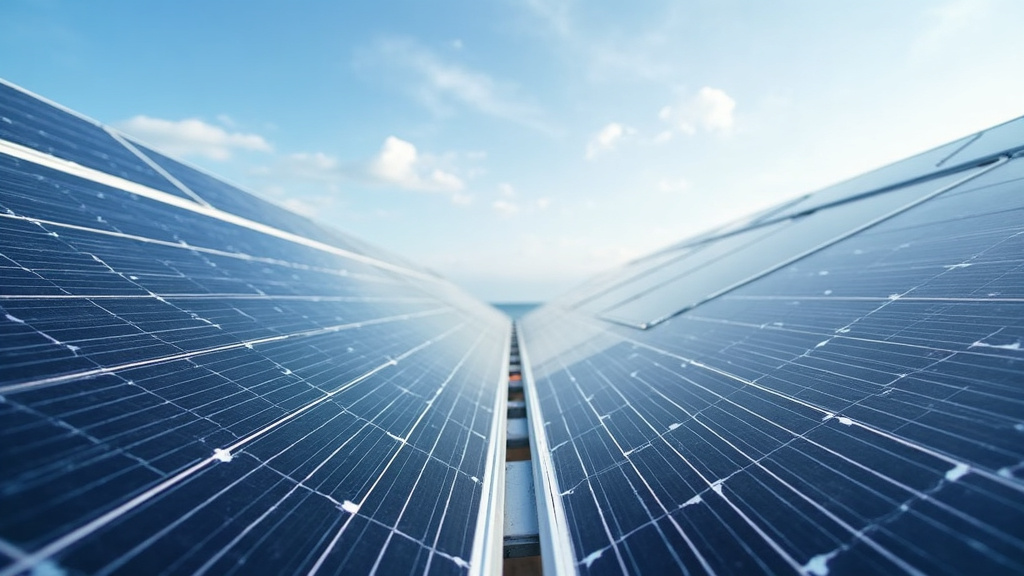
- Solar lighting can significantly reduce energy costs at military bases, offering a sustainable and cost-effective solution for illumination.
- The use of solar panels allows for 24/7 power generation, ensuring constant lighting even in remote locations.
- Solar-powered streetlights are durable, low-maintenance, and can operate independently, making them ideal for deployment in dangerous or hard-to-reach areas.
- Implementing solar lighting systems can enhance base security by providing clearer visibility and improved surveillance capabilities.
- Many solar lighting installations can be set up within a week, offering a quick and efficient solution for temporary or emergency lighting needs.
- Federal incentives and grants are available to help offset the initial costs of installing solar lighting infrastructure on military bases.
At a glanceSolar lighting for military bases offers a reliable and sustainable energy solution. By harnessing the power of the sun, these systems provide round-the-clock illumination, enhancing security and operational efficiency. Installation is swift, often completed within one to two days, minimizing disruption, and the technology is proven to withstand harsh environments, ensuring long-term reliability.
The transition to renewable energy is a critical priority, especially for the U.S. Department of Defense, which operates numerous facilities across the globe, many in remote areas with limited grid access. Solar lighting for military bases presents a promising solution to this challenge, offering energy independence, reduced operational costs, and enhanced security. However, implementing solar technology on a military scale requires careful planning and consideration of various factors, from technology choice, like those offered by SunPower and General Electric Renewable Energy, to regulatory compliance with guidelines from the Department of Energy and Environmental Protection Agency. This article examines the intricacies of solar lighting for military bases, exploring both the opportunities and the hurdles, to provide a practical guide for facilities managers and decision-makers.
Solar Lighting For Military Bases: Where to Start
Looking for solar lighting for military bases? federal solar lighting can answer your questions directly.
- Assessing Base Energy Needs for Solar Lighting
- Choosing the Right Solar Lighting Systems
- Implementing and Maintaining Solar Lighting at Military Bases
Assessing Base Energy Needs for Solar Lighting

Assessing the energy needs of military bases for solar lighting is a crucial first step in implementing this renewable solution. The process involves a comprehensive review of current energy consumption patterns, considering both fixed and mobile assets. A base might require solar-powered lighting for its main perimeter, roads, parking lots, and barracks, each with distinct energy demands.
The U.S. Department of Defense (DoD) and the Naval Observatory often provide detailed guidelines and standards for energy management on military installations. These include specifications for lighting systems, which can be adapted to suit solar lighting solutions. When evaluating a base’s needs, energy experts consider factors such as daily and seasonal variations in sunlight intensity, the base’s geographic location, and the type of lighting required. For a 200-watt solar street light, the cost can range from $1,500 to $3,000, depending on the technology and supplier.
To qualify for solar lighting initiatives, military bases must meet specific criteria. These often include demonstrating a commitment to energy sustainability, having a suitable site for solar panels, and ensuring the solution aligns with the base’s overall energy strategy. Energy Management Associates and the American Society of Civil Engineers (ASCE) offer valuable resources and guidelines for designing and implementing efficient solar lighting systems. The key to a successful project lies in a thorough understanding of the base’s energy landscape and the selection of the best commercial solar light for each application, such as those offered by leaders in renewable energy like General Electric Renewable Energy and SunPower.
Choosing the Right Solar Lighting Systems

Choosing the right solar lighting system is a crucial step in transitioning to solar energy for military bases. The process involves several key considerations. First, assess the base’s energy needs and sunlight exposure. Factors like the size of the base, number of facilities, and average daily sunlight hours will dictate the required solar panel size and number. A large base with multiple buildings and high sun exposure will need a more substantial solar array than a smaller, partially shaded facility.
Second, select a reputable solar lighting system supplier. Ensure the supplier provides comprehensive warranties and post-installation support, as military bases require reliable systems that can withstand harsh conditions.
To qualify for solar lighting for military bases, installations must adhere to specific guidelines set by the U.S. Department of Defense, often in conjunction with the Naval Observatory. These include meeting the Environmental Protection Agency (EPA) standards for renewable energy adoption and aligning with the American Society of Civil Engineers (ASCE) guidelines for infrastructure projects. Energy Management Associates can assist in navigating these requirements and ensuring compliance.
A common misconception is that solar lights must be left on all the time. While solar panels generate electricity during daylight hours, modern solar lighting systems are designed with energy storage solutions, such as batteries, to provide illumination even after the sun sets. This ensures continuous security and operational readiness without constant reliance on grid power. The system can be programmed to turn on and off at specific times, optimizing energy usage and maximizing the benefits of solar power.
| Factor | What to know |
|---|---|
| Energy needs assessment | Review consumption patterns, sunlight variations, and geographic location |
| System cost | 200-watt solar street light costs $1,500 to $3,000 |
| Installation time | Setup often completed within one to two days |
| Supplier reputation | Choose suppliers offering strong warranties and post-installation support |
| Regulatory compliance | Must meet DoD, EPA, and ASCE guidelines |
| Energy storage | Batteries enable illumination after sunset, programmable on/off times |
Implementing and Maintaining Solar Lighting at Military Bases
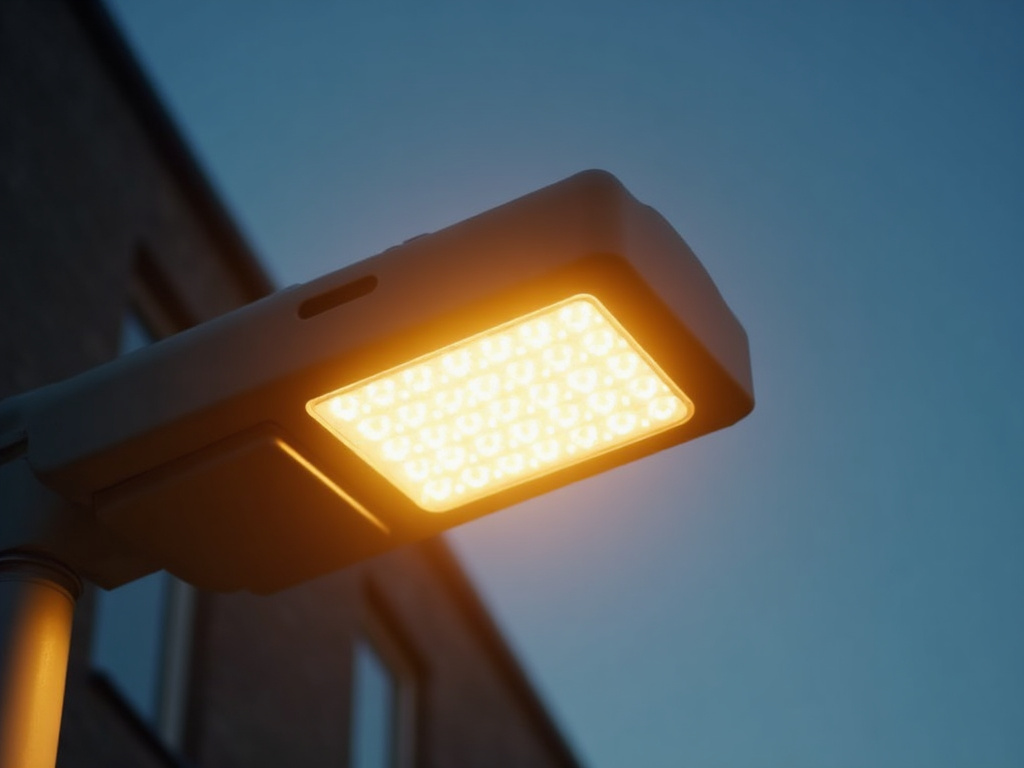
Implementing and maintaining solar lighting at military bases presents a unique blend of technological advancement and operational rigor. When selecting the best commercial solar light for these environments, several key factors come into play. The U.S. Department of Defense (DoD) has shown a strong commitment to renewable energy, with initiatives like the Solar Ready Program aiming to increase solar adoption across its installations. This focus is driven by both environmental sustainability and energy security.
These systems typically include high-efficiency solar panels, durable LED lighting, and smart energy management features. A 200-watt solar street light, for example, can illuminate a large area while drawing on the sun's energy, providing a cost-effective alternative to traditional grid-powered lighting. The initial cost for such a system can vary, with prices for high-quality equipment starting around $1,500 per light, but the long-term savings in energy costs can be substantial.
Regular maintenance is crucial to ensure the continued effectiveness of solar lighting systems at military bases. While the lights themselves require relatively little care, periodic cleaning of the panels and checks for any damage or debris accumulation are essential. Unlike conventional lighting, which operates constantly, solar lights are designed to be activated by sunlight, with sensors that trigger their use during daylight hours. This feature not only maximizes energy efficiency but also reduces wear and tear, contributing to the overall longevity of the system. Energy Management Associates, a leading industry consultant, has reported that well-maintained solar installations can expect a lifespan of 25 years or more, underscoring the sound investment that solar lighting represents for military installations.
Frequently Asked Questions About Solar Lighting For Military Bases
What is the primary benefit of solar lighting for military bases?
Solar lighting offers several advantages for military installations. First, it reduces operational costs by eliminating the need for grid electricity, providing a sustainable and independent power source. Secondly, it enhances security by making bases less reliant on external power grids, mitigating the risk of blackouts or disruptions. Solar panels can be easily integrated into existing infrastructure, providing flexible and customizable lighting solutions tailored to specific base requirements.
Are solar lighting systems cost-effective for military bases?
Absolutely. While the initial installation costs can be significant, solar lighting systems offer long-term financial savings. By generating their own electricity, military bases can reduce or even eliminate electricity bills. Many governments offer incentives and grants to support the adoption of renewable energy, further offsetting installation costs. Over time, the savings can be substantial, making solar lighting a smart investment for base commanders.
How does solar lighting improve security at military bases?
Solar lighting systems enhance security by providing consistent and reliable illumination, even during power outages or natural disasters. Traditional grid-based lighting may fail during emergencies, leaving bases vulnerable. Solar-powered lighting, however, operates independently, ensuring round-the-clock visibility and deterring potential threats. Well-lit perimeters and paths also facilitate faster emergency response and personnel movement, crucial for the safety and security of the entire base.
Can solar lighting be integrated with existing infrastructure?
Certainly. Solar lighting systems are designed to seamlessly integrate with existing infrastructure. They can be installed alongside traditional lighting, allowing for a phased transition or a complete replacement. The panels can be mounted on existing structures, such as fences or buildings, or on dedicated poles, depending on the base’s layout and lighting needs. This flexibility ensures that solar lighting solutions are tailored to each base’s unique requirements.
What are the maintenance requirements for solar lighting?
Solar lighting systems require minimal maintenance, making them ideal for remote or challenging locations. Regular cleaning of the panels to remove dust or debris is recommended to maintain optimal performance. Occasional checks for loose connections or damage, especially in harsh environments, ensure the system’s longevity. Most bases can handle these tasks with minimal specialized training, making solar lighting a low-maintenance option.
Are there any environmental benefits to solar lighting for military bases?
Beyond financial savings and enhanced security, solar lighting significantly reduces the environmental footprint of military installations. By relying on renewable energy, bases can lower their carbon emissions and contribute to a greener, more sustainable future. This aligns with broader environmental goals and can help military installations meet their sustainability commitments.
Solar Lighting For Military Bases offers a comprehensive solution to energy management for our nation’s defense installations. By assessing base energy needs, selecting the right solar lighting systems, and implementing robust maintenance plans, the U.S. Department of Defense can significantly reduce operational costs and environmental impact. The success of these projects, as illustrated by cases from SunPower and General Electric Renewable Energy, demonstrates the feasibility and benefits of solar lighting at military bases. Leveraging the expertise of organizations like the American Society of Civil Engineers (ASCE) and Energy Management Associates, we can ensure these systems meet the unique demands of these critical facilities while adhering to Department of Energy and Environmental Protection Agency (EPA) guidelines. The next step for military base commanders is to prioritize solar lighting initiatives, taking advantage of federal incentives and innovative financing models, to secure clean, sustainable energy for their operations.